The Floret Cutout Gable Favor Box: Elegance Through Craft
There’s a particular charm in a gift box that reveals its contents before it’s even opened. It’s an invitation, a hint of delight, a promise of something special waiting inside. The Floret Cutout Gable Favor Box Template captures this feeling perfectly, blending classic packaging structure with delicate, decorative transparency. This isn't just a container; it’s a crafted experience, designed to elevate the simple act of giving.
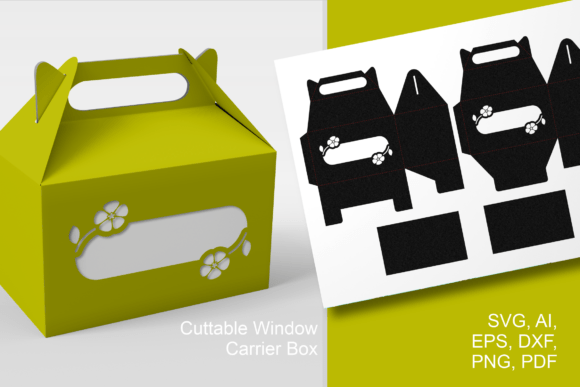
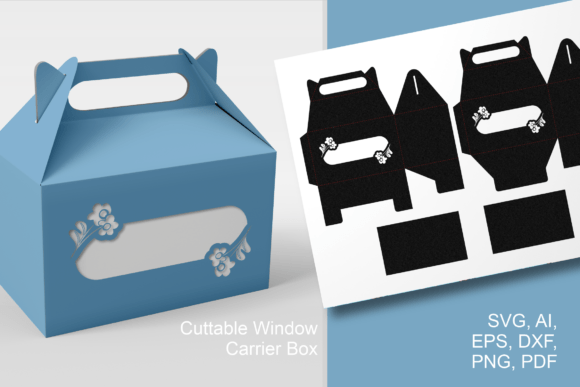
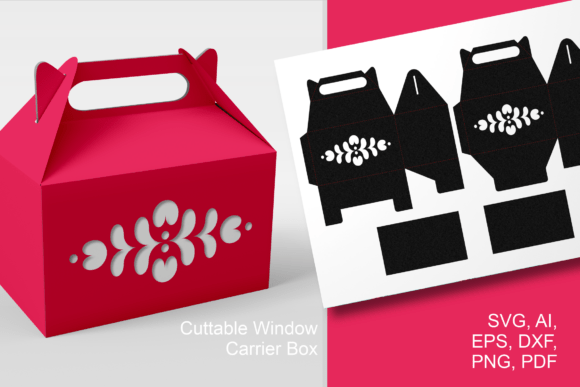
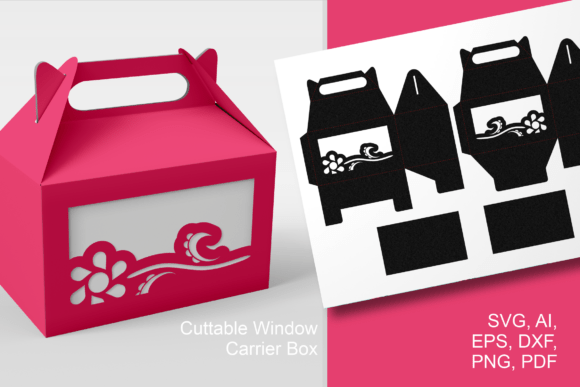
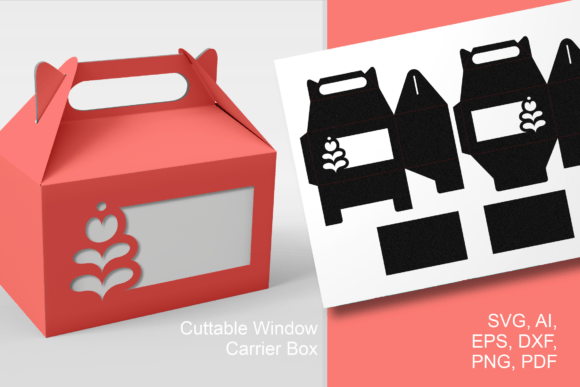
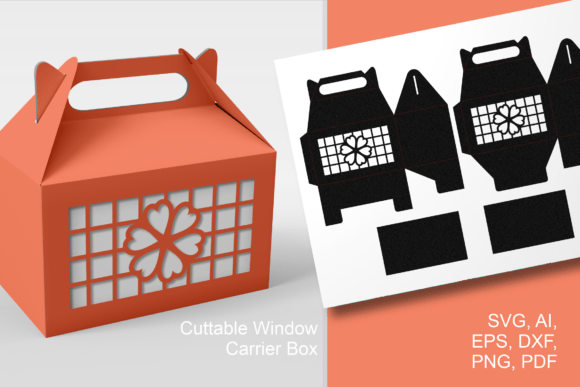
The template itself is for a carrier-style gable box, a timeless shape known for its stability and pleasing geometric form. Its defining feature is the "Floret Cutout" wide window—a decorative pattern of see-through holes crafted from flower and check shapes. This isn’t a simple rectangle or circle. It’s an intricate mesh that adds visual texture and a gentle, organic flair to the box's broader sides. The result is a piece that feels both handmade and elegantly precise, a perfect bridge between rustic craft and modern design sensibility.
A Design Built for Spring and Celebration
The personality of the Floret Cutout Gable Favor Box is inherently celebratory and fresh. The floral motif, even in a minimalist cutout form, evokes growth, bloom, and natural beauty. This makes it an exceptionally fitting choice for spring-centric events. Think Easter gatherings where it can cradle pastel-colored candies, or spring weddings where it becomes a sophisticated vessel for guest favors. Its clean lines and structured gable shape provide a counterpoint to the ornate cutout, ensuring the design never feels overly fussy. It carries a style that is both whimsical and grounded, making it versatile beyond seasonal use for everyday gift wrapping that demands a touch more thought.
From a practical perspective, the template is delivered as a comprehensive set of digital assets—vector files like SVG and EPS for cutting machines, a PDF for manual printing, and raster images like PNG and JPG. This flexibility is crucial for the modern creator. Whether you’re a hobbyist with a desktop printer or a small business owner running a digital die-cutter, you have the right format to work with. The default size, approximately 4 x 6.5 x 6.5 inches, is ideal for a handful of cookies, a petite doughnut, artisan chocolates, or small trinkets. And because it's vector-based, resizing it to fit a larger bouquet of macarons or a smaller cluster of jewelry is a simple, loss-free adjustment.
Beyond the Template: Applications in Branding and Presentation
For entrepreneurs, marketers, and content creators, this template transcends simple craft. It becomes a tangible touchpoint for brand identity. Imagine a local bakery using these boxes for their seasonal lemon tarts. The Floret Cutout design subtly communicates attention to detail and a commitment to aesthetic presentation, enhancing the perceived value of the product inside. For a blogger hosting a giveaway, a custom-printed version of this box can make the prize feel premium and personally curated, increasing audience engagement and shareability.
In commercial projects, such as limited-edition product launches or corporate gifting during spring conferences, the box offers a branded yet universally appealing look. The see-through windows allow the product itself to contribute to the design, creating a layered visual interest. This is smart packaging design: it doesn’t try to do all the work alone; it collaborates with the contents. The gable structure also lends itself to easy carrying, literally making it a "favor box" that guests can transport without fuss, which is a small but significant consideration for event planners.
Practical Guidance for Implementation
Choosing to use the Floret Cutout Gable Favor Box Template starts with evaluating your project’s tone. Is it light, celebratory, organic, or artisanal? If yes, this design is a strong contender. The next step is material selection. The cutout detail begs for a cardstock with some weight—a textured matte paper can enhance its handmade feel, while a smooth, bright white stock will lean more modern and crisp. Consider color: a soft pastel printed box with a white cutout, or a natural kraft brown with the florets revealing the vibrant colors inside.
When working with the template files, pay close attention to the assembly marks. A carrier-style box relies on precise folds and tabs. A test cut on scrap paper is always worth the time. For branding, the flat panels adjacent to the cutout windows offer excellent spaces for a logo, a simple message, or a tasteful pattern. Keep any additional graphics clean and allow the Floret Cutout to remain the focal decorative element. Overcrowding the design can clash with its inherent elegance.
For font pairing on any added text, lean towards simple, clean sans serif or delicate script fonts that complement, not compete. The box itself is a display element; your typography should support it. Readability isn't a primary concern for the box's decorative art, but it is for any instructional or branding text you add, so ensure it’s placed clearly on a solid panel.
Finally, consider scale and purpose. While perfect for sweets and small gifts, resizing the template for larger items can transform it into a striking packaging solution for specialty candles or bath products. The commercial licensing inherent in such templates typically allows for both personal and business use, making it a versatile asset for a crafter selling at local markets or a designer creating client gift kits.
The Lasting Appeal of Thoughtful Details
What ultimately makes the Floret Cutout Gable Favor Box Template so effective is its commitment to a thoughtful detail. In a world of mass-produced packaging, a box that features a unique, decorative cutout stands out. It signals that the giver cared about the entire experience, from the contents to their presentation. This builds recognition—people remember a beautiful package. It fosters consistency if used across a series of events or products, tying a brand or personal project together with a coherent visual thread.
For the creator, whether a designer assembling client gifts or a parent making Easter morning extra special, the process of cutting, folding, and filling this box is a short, rewarding craft. It yields a professional-looking result without requiring professional tools or skills. That accessibility, paired with its undeniable aesthetic appeal, is where its real-world value lies. It reminds us that in design, whether for branding, marketing, or personal joy, the small, intentional choices—like a flower-shaped window in a paper box—often create the most significant impact.