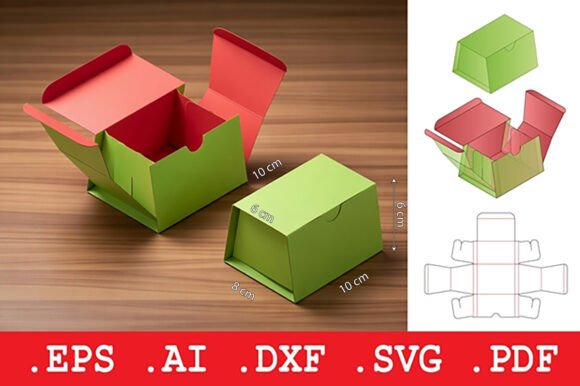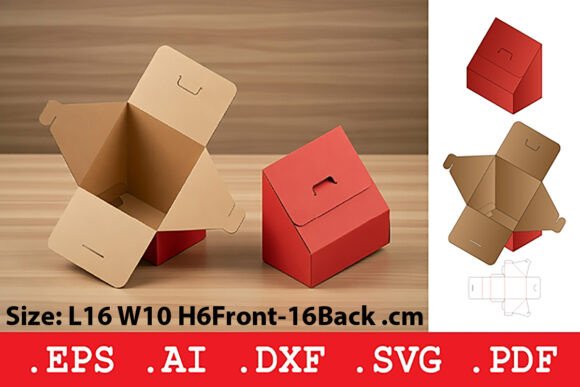
The Slanted Roof Tuck Lid Box: A Unique Packaging Template
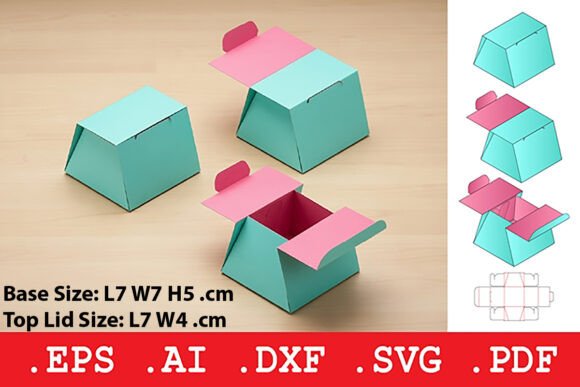
In the world of packaging, the shape and functionality of a container can be as important as what it holds. The slanted roof tuck lid box represents a distinct departure from traditional square or rectangular formats. This template is characterized by its angled, roof-style lid, which creates a modern, asymmetrical silhouette. It employs a simple but effective tuck-in closure mechanism that doesn't require glue, and it includes a pull tab for straightforward opening. Designed as a one-piece structure, it folds from a single sheet of 200-350 gsm cardstock into a sturdy, compact form. Its design intent is clear: to offer a visually striking and practical solution for small items.
What makes the slanted roof tuck lid box distinct is its deliberate tilt. Unlike conventional boxes that prioritize symmetry and uniform stacking, this design embraces an off-center aesthetic. This isn't merely a visual quirk; the angled lid often creates a more dynamic presentation on a shelf or as a gift. The engineering is equally thoughtful. The glue-less tuck closure and integrated pull tab address common user frustrations—difficult assembly and hard-to-open packages. It’s a template that considers both the maker’s experience and the end user’s interaction.
Comparing Packaging Styles and Functional Tradeoffs
When evaluating packaging options, designers and businesses often weigh several factors: aesthetics, structural integrity, assembly complexity, and material efficiency. The slanted roof tuck lid box occupies a specific niche within this spectrum.
Compared to standard straight-walled tuck-end boxes, the slanted roof variant offers a more contemporary look. Traditional tuck boxes are excellent for efficient storage and mass production, but they can appear utilitarian. The slanted design injects a dose of visual personality without significantly compromising stability, provided the cardstock weight is appropriate. Conversely, compared to more ornate packaging like rigid boxes with magnetic closures or fabric-wrapped cases, the slanted roof tuck lid box is inherently more economical and suited to smaller-scale or DIY production. It achieves a premium feel through design rather than expensive materials or complex hardware.
A key comparison point is assembly. Many elegant boxes require glue, tape, or multiple components. The one-piece, glue-less nature of the slanted roof tuck lid box is a significant strength. It reduces assembly time, eliminates mess, and is often more accessible for crafters or small businesses without specialized equipment. However, this simplicity comes with a tradeoff. The reliance on a precise tuck mechanism means the box’s security is directly tied to the accuracy of the cut and the stiffness of the material. For extremely heavy or fragile items, a box with a more locked closure might be a safer alternative.
Material Considerations and the Role of Digital Files
The template is designed for 200-350 gsm cardstock. This range is instructive. Thinner papers below 200 gsm may lack the rigidity to hold the slanted shape firmly or support the tuck closure reliably. Heavier stocks above 350 gsm might become difficult to fold neatly along the scored lines and could resist the tuck action. Choosing the correct material weight is a critical decision factor for achieving both the desired aesthetic and functional durability.
The included file formats (.DXF, .SVG, .EPS, .PDF, .AI) broaden the template’s applicability and highlight its versatility for different production methods. The .DXF file compatibility with CNC and laser cutters makes it suitable for automated, precise fabrication. The .SVG and .EPS vectors allow for seamless scaling and integration into digital design workflows. The .PDF serves those who need a print-ready guide for manual methods. Finally, the .AI source file offers full customization—a user can adjust dimensions, graphics, or even tweak the slant angle. This suite of files means the slanted roof tuck lid box can be a resource for a hobbyist with a craft cutter, a designer preparing artwork for industrial printing, or a prototyping studio using a laser. It invites comparison with templates that offer only a single, locked format, which can limit adaptation.
Best-Fit Situations and Practical Use Cases
The slanted roof tuck lid box is not a universal solution. Its strengths align perfectly with certain applications. Its compact, sturdy form and distinctive look make it an excellent candidate for small gifts, cosmetics like lip balms or single-serve creams, jewelry pieces, premium confectionery treats, and creative retail items such as artisanal soaps or small tech accessories. The modern asymmetrical aesthetic can help a product stand out in a crowded market, suggesting innovation and care.
Consider a realistic example: a small skincare brand launching a limited-edition serum. A standard rectangular box might communicate little. A slanted roof tuck lid box, crafted from a textured 300 gsm stock, immediately conveys a unique, contemporary brand identity. The easy-open pull tab enhances the customer experience, making the product feel accessible yet special. For a jeweler selling handmade earrings, this box offers a protective container that is itself a presentation piece, eliminating the need for an outer gift box.
However, there are situations where another packaging option might be a better fit. If the primary requirement is maximum volumetric efficiency for shipping and shelf storage—think a line of identical tea bags—the asymmetrical silhouette of the slanted roof box could create logistical challenges. For items that require a completely flat, wide surface for branding or information (like some board games), the angled lid reduces usable flat area. Also, if the product is very tall or requires a deeply recessed interior, the proportions of this specific template may not accommodate it without significant customization of the source file.
Decision Factors for Choosing This Template
When researching packaging ideas, several practical questions can help determine if the slanted roof tuck lid box is the right choice.
- Product Size and Weight: Is your item small, lightweight, and suited to a compact box? The template is ideal for items that fit within its dimensional profile and don’t overwhelm the tuck closure.
- Brand Aesthetic: Are you aiming for a modern, unconventional, or design-forward brand image? The slanted silhouette actively supports this. A more classic, traditional brand might find it jarring.
- Production Scale and Method: Will you be assembling dozens by hand, using a digital cutter, or outsourcing to a professional printer? The available file formats support all these paths, but the glue-less assembly is a particular boon for manual production.
- User Experience Priority: Is easy, frustration-free opening a key part of your product experience? The pull tab feature directly addresses this.
- Need for Customization: Do you require the ability to modify the template? Access to the .AI source file is a significant advantage over fixed-dimension templates.
Exploring these factors moves the decision beyond mere appearance. It becomes a functional evaluation of how the package will be made, how it will perform, and how it will be received.
When Alternatives May Be More Suitable
A balanced evaluation acknowledges that even a well-designed template has limitations. The slanted roof tuck lid box, with its angled lid and specific closure, may not be the optimal resource in every scenario.
If your primary concern is ultra-fast, automated assembly on industrial machinery, boxes with simpler, straight folds and standardized dimensions might integrate more smoothly into high-speed production lines. For products requiring a high degree of security or tamper-evidence, a closure that is more permanently sealed (like glue or adhesive tape) might be necessary. Also, if budgetary constraints demand the absolute lowest material cost per unit, a simpler design with less complex cutting might use slightly less board area, offering a marginal saving.
Furthermore, for packaging that needs to be completely flat-packed for shipping to an end customer who assembles it (like some subscription box items), the slanted roof design’s three-dimensional form might be less intuitive to fold correctly without instructions compared to a standard six-sided cube. In these cases, exploring alternative templates—perhaps a standard tuck-end box or a two-piece sleeve and base setup—could yield a better fit for the specific logistical or security requirements.
Ultimately, the slanted roof tuck lid box is a compelling and innovative packaging template. Its unique geometry, thoughtful user-friendly features, and versatile file support make it a strong contender for a wide range of creative and commercial applications. By understanding its distinct characteristics, comparing it to the broader landscape of packaging styles, and realistically assessing your product needs and production capabilities, you can make an informed decision on whether its modern asymmetrical aesthetic and smooth assembly are the right choice for your project.