The Practical Power of the Folding Lock Tab Paper Box
In the world of packaging, finding the balance between form, function, and ease of production is a constant challenge. For countless businesses and creators, a simple yet brilliantly designed solution has become a go-to choice: the Folding Lock Tab Paper Box. This packaging template is more than just a container; it's a system engineered for reliability and efficiency, offering a secure closure without the need for tapes, stickers, or other external fasteners.
A Design Engineered for Secure Closure
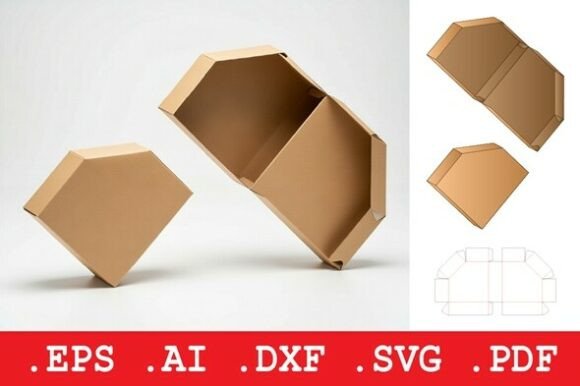
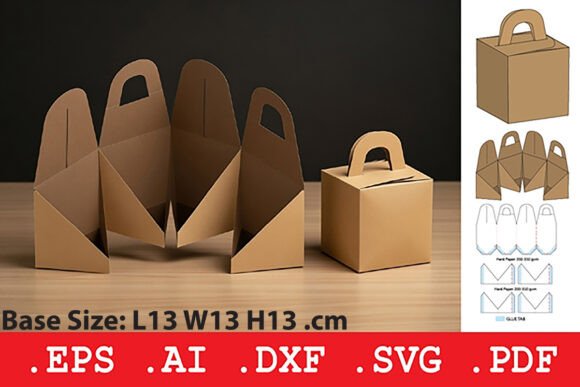
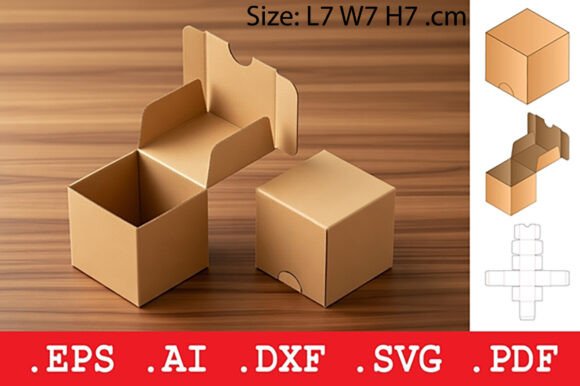
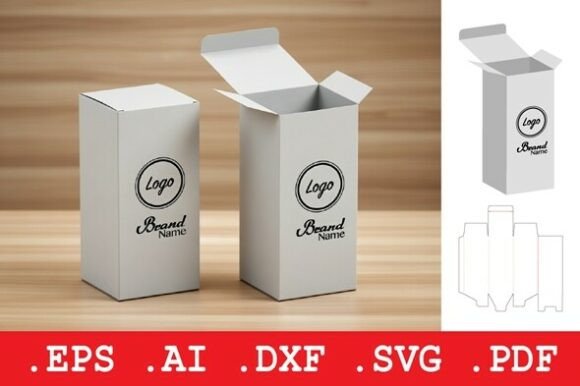
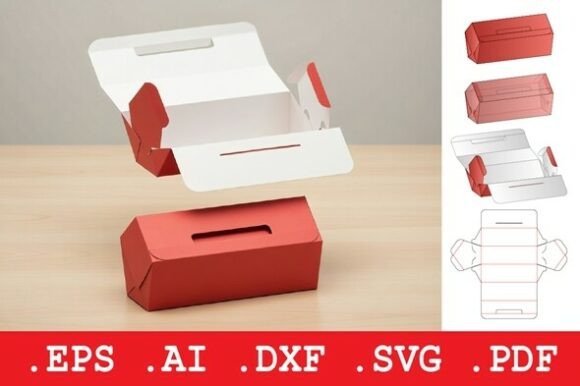
At the heart of this packaging's appeal is its ingenious locking mechanism. The design incorporates a tuck-in lid with a dedicated front locking tab. When the lid is closed, this tab slides smoothly into a corresponding slot or is secured by the structure of the box itself, creating a positive, friction-based hold. This action, combined with the natural stiffness of the material, results in a box that stays firmly closed during handling and transport.
Furthermore, the template includes side glue flaps. These are not just for assembly; they are integral to the box's integrity. By gluing these side panels during construction, you create a permanently rigid frame. The lid and its locking tab then interact with this sturdy base, ensuring the closure is both reliable and repeatable—customers can open and close the box multiple times without compromising its security.
Material Specifications: Built for Lightweight Strength
The Folding Lock Tab Paper Box isn't designed for heavy-duty corrugated board. Its sweet spot is 200-350 gsm cardstock or paperboard. This specific range is crucial. Paper within these GSM (grams per square meter) values offers excellent rigidity and a premium feel while remaining relatively lightweight.
Using 200-350 gsm material means the finished box provides a sturdy solution that protects its contents without adding excessive weight or bulk—a key consideration for retail shelf presence and shipping costs. It delivers a tactile, quality impression perfect for products where presentation matters as much as practicality.
The Ideal Applications: Where This Box Shines
This versatile packaging design finds its home in numerous sectors. Its blend of aesthetics, security, and economy makes it a highly adaptable choice.
- Retail & Consumer Goods: For small electronics accessories, artisanal tools, or branded merchandise, the box offers a clean, professional look that enhances product value.
- Cosmetics: Creams, lip balms, single-edition makeup items, or sample kits fit perfectly. The secure lock prevents accidental opening, and the paperboard allows for luxurious finishes like matte, gloss, or textured laminations.
- Confectionery: Premium chocolates, tea bags, or specialty candies benefit from a box that feels special yet is practical for packing. The closure keeps contents fresh and secure.
- Small Craft & DIY Products: For makers selling jewelry, small craft kits, or stationery, this box provides an affordable, easily assembled packaging solution that still looks crafted and attentive.
The Folding Lock Tab Paper Box essentially serves any scenario where you need a rigid, self-closing container for a product that isn't overly large or heavy, but deserves more than a simple pouch or bag.
Workflow Integration: From Digital File to Physical Box
A significant advantage of working with a predefined template like this is its seamless integration into modern digital and physical production workflows. The inclusion of multiple file formats bridges the gap between design and manufacturing.
- .DXF File: This format is directly compatible with CNC routers and laser cutting hardware. It allows for precise, automated cutting in small-batch workshops or larger-scale production environments, ensuring every box is identical.
- .SVG File: As a scalable vector graphic, this file is perfect for digital design tweaks and use with consumer-grade craft cutters. Designers can easily adjust graphics or layouts within software like Inkscape or Adobe Illustrator before sending it to a personal cutting machine.
- .EPS File: The standard vector format for industrial printing and professional graphic design software. It ensures high-quality output when working with commercial printers for complex graphic applications.
- .PDF File: The universal print-ready document. It's ideal for manual printing and cutting, serving as a perfect guide for prototyping or small runs where automated cutting isn't available. It's also excellent for simply viewing the template layout.
- .AI File: The original Adobe Illustrator source file. This provides full customization capabilities for professional designers. You can deconstruct the template, modify dimensions, adjust graphics layers, or integrate it into a larger packaging design project with complete creative control.
This multi-format approach means the Folding Lock Tab Paper Box template is accessible to everyone—from a hobbyist with a desktop cutter to a professional brand manager overseeing a retail product launch.
Practical Benefits and Key Considerations
Choosing this style of packaging brings a set of clear advantages. The self-locking feature eliminates the cost and labor of applying separate adhesives. Assembly is logical and quick, often requiring only glue on the side flaps and a simple fold-and-tuck for the lid. The use of standard cardstock keeps material costs predictable and widely available.
However, a few factors should be considered before adoption. The box's strength is directly tied to the correct GSM of paper. Using a material below 200 gsm might result in a flimsy box that doesn't hold the lock well; using a much heavier board could make folding difficult and compromise the clean function of the tab. Also, while the lock is secure for most purposes, it is not a tamper-proof or hermetic seal. For products requiring absolute airtight security or child-resistant features, additional elements would be needed.
The design also inherently defines a certain size range. It excels for small to medium items. Scaling the template up significantly for very large products might require reevaluating the locking tab's mechanics and the material's ability to support the larger structure.
Bringing Your Product to Market
Implementing the Folding Lock Tab Paper Box into your process often follows a natural progression. Start with the .PDF or .AI file to assess the size and layout. Print a prototype on your chosen cardstock to test the assembly, the feel of the lock, and how your product fits inside. This hands-on test is invaluable.
Once satisfied, move to graphic design. Using the .EPS or .AI file, apply your branding, imagery, and text. Then, select your production path: sending the .DXF for laser cutting if you have the hardware, or providing the final print-ready .EPS/.PDF files to a professional printer who will die-cut and score the sheets for you. The final step is the satisfying assembly—gluing the sides, folding the form, and tucking the lid securely into place, ready to present your product to the world.
In a landscape where packaging must be efficient, cost-effective, and visually appealing, the Folding Lock Tab Paper Box stands out as a thoughtfully engineered answer. It removes complexity from the closure, provides a foundation for beautiful design, and fits gracefully into both digital and hands-on creation workflows. For businesses looking to package their products with both intelligence and style, this template offers a path that is as straightforward as the satisfying click of its locking tab.