The Self-Locking Retail Box: Elevating Packaging with Intelligent Design
In the world of retail and product presentation, the humble cardboard box is undergoing a quiet revolution. Gone are the days of flimsy structures, messy glue applications, and frustrating assembly. Today, sophisticated folding templates like the Self-Locking Retail Box are transforming how businesses, designers, and creators package and protect their goods. This isn't just a container; it's an engineered solution that blends durability, security, and aesthetic appeal with remarkable ease of use.
The Foundation: What is a Self-Locking Retail Box?
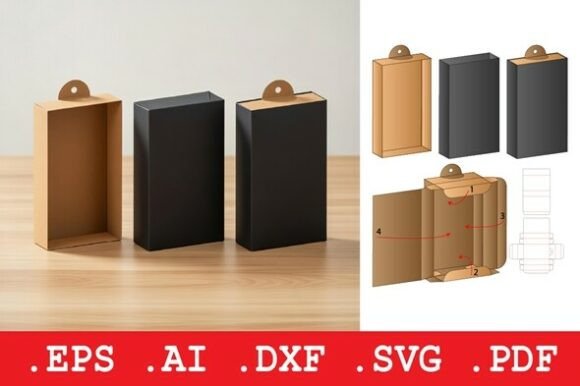
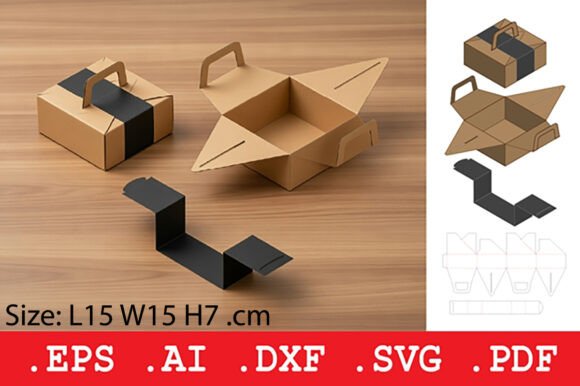
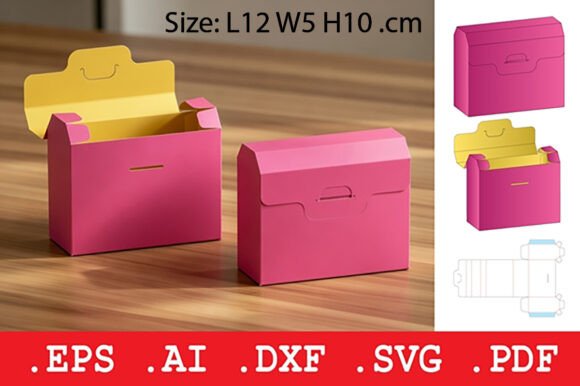
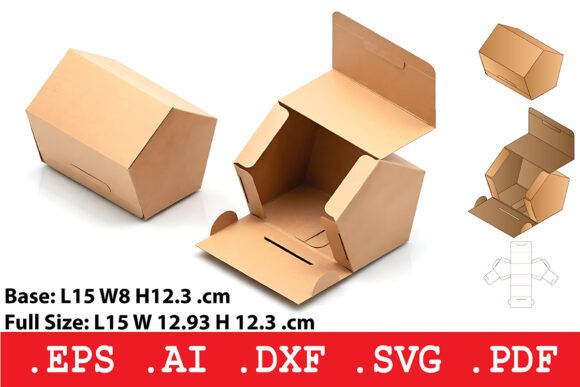
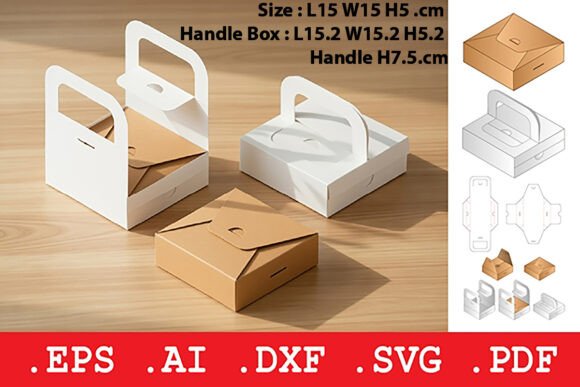
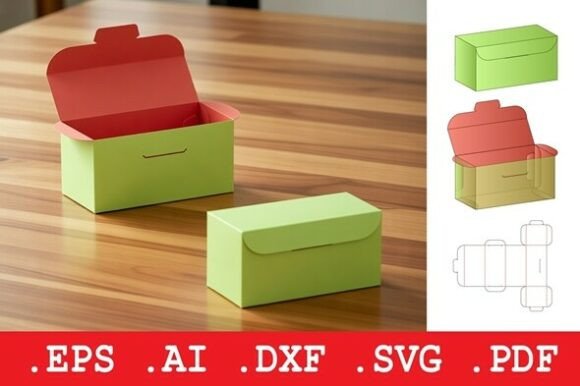
At its core, a self-locking retail box is a precision-designed folding carton template. Its defining characteristic is a built-in mechanical locking system that allows the box to be assembled securely without any adhesive. Think of it like a three-dimensional puzzle where every tab, flap, and slot is meticulously calculated to interlock, creating a robust structure from a single piece of cardstock or paperboard. The specific template described here exemplifies this principle perfectly. It features integrated side-support tabs that snap into place and a front-entry locking tab that acts as a final seal. Combined with a protective fold-over lid, it creates a complete package ready for the shelf, shipment, or gift.
This design is optimized for materials ranging from 180 to 350 GSM (grams per square meter). This covers a spectrum from sturdy cardstock to thicker paperboard, ensuring the box can be both elegant for boutique items and durable for heavier small goods. The magic lies in the template itself—a digital blueprint that, when cut and folded correctly, yields a professional result every time.
The Significance and Purpose: Beyond Simple Containment
Why does this matter? Packaging serves multiple critical functions that go far beyond merely holding a product.
Security and Protection During Transport
The primary job of any box is to safeguard its contents. Traditional glued boxes can fail if the adhesive weakens, leaving flaps to open during handling. The self-locking mechanism, with its snapping tabs and front-entry lock, physically prevents accidental opening. The fold-over lid adds an extra layer of protection against dust, scratches, and minor impacts. This is crucial for items like small electronics (e.g., USB drives, headphones), boutique accessories (jewelry, artisanal crafts), or premium stationery sets, where presentation and condition are paramount.
Enhancing the User Experience from Maker to Customer
This design dramatically improves the experience for everyone in the chain:
- For the Business or Creator: Assembly is swift and clean. No glue means no mess, no drying time, and no risk of ruining the material. It streamlines production, whether you're assembling dozens manually or using automated machinery.
- For the Retailer: The box presents a uniform, professional appearance on shelves. The secure lock gives confidence that products won't be tampered with easily.
- For the End Customer: The box feels substantial and well-made. Opening it becomes a deliberate, satisfying action—part of the product experience—rather than wrestling with a fragile, tape-sealed carton.
Aligning with Modern Values: Efficiency and Sustainability
Modern business and consumer culture values efficiency and mindful resource use. A self-locking box supports both. The efficient assembly saves labor time. Furthermore, by eliminating glue, it often uses a purer, more recyclable material stream. While not a guarantee, glue-free construction can simplify the recycling process for the end-user, aligning with growing eco-conscious expectations.
Exploring the Practical Relevance: Where Does It Fit?
This packaging solution finds its home in numerous sectors of modern life, work, and creativity.
Small Business and E-Commerce
For online sellers, packaging is a silent brand ambassador. A durable, self-locking box ensures products arrive in perfect condition, reducing returns and damage claims. Its professional look elevates brand perception, turning a shipment into a curated delivery. The ease of assembly is a boon for entrepreneurs who may be packaging orders themselves without dedicated facilities.
The Creative Economy and DIY Movement
Artists, crafters, and makers selling their work at markets or online often need presentation that matches the quality of their creations. The availability of the template in formats like .SVG and .PDF means it can be used with digital craft plotters or even hand-assembled from a printed sheet, putting professional-grade packaging within reach of individual creators.
Corporate Gifting and Premium Retail
In contexts where the unboxing experience is part of the product's value—such as corporate gifts, luxury items, or specialty foods—the structural integrity and clean design of a self-locking box contribute directly to that premium feel.
Demystifying the Technical Files: Your Toolkit for Customization
A key aspect of this system's utility is the suite of digital files provided. Each format serves a distinct purpose, empowering users at different technical levels.
- .DXF (Drawing Exchange Format): This file contains the precision cut lines. It's essential for operating CNC machines or laser cutters in a professional manufacturing or prototyping environment. It tells the machine exactly where to cut.
- .SVG (Scalable Vector Graphic): A versatile vector format perfect for digital design software and, importantly, for modern craft plotters (like Cricut or Silhouette machines). Hobbyists and small-scale producers can use this to cut boxes accurately at home or in a studio.
- .EPS and .AI (Encapsulated PostScript & Adobe Illustrator): These are industry-standard vector formats for professional graphic design and print workflows. The .AI file is the original source, allowing complete customization of graphics, branding, colors, and layout before the box is even cut.
- .PDF (Portable Document Format): The universal, print-ready document. It's ideal for manual viewing, sending to a print shop, or for straightforward manual assembly where someone can cut along the visible lines. It ensures consistency.
This multi-format approach means the same intelligent structural design can be executed on a industrial laser cutter, a hobbyist's craft table, or in a professional print shop, making it incredibly adaptable.
Clarifying Common Assumptions
When encountering such a design, a few misunderstandings can arise.
"It Must Be Complex to Assemble"
Quite the opposite. The design philosophy is simplicity through intelligence. The tabs are engineered to guide the assembler. Once the main folds are made, the side supports and front lock typically snap or tuck into place with intuitive, natural motions. It's often faster and less error-prone than applying glue correctly.
"It's Only for Heavy Items"
The material optimization (180-350 GSM) shows its range. A 180 GSM cardstock box can be beautifully lightweight and elegant for a delicate necklace, while a 350 GSM paperboard version can confidently hold a small power bank or set of ceramic mugs. The structure provides the strength, not just the raw material thickness.
"I Need Special Equipment to Use It"
While the .DXF and .SVG files unlock advanced manufacturing, the .PDF file ensures anyone with a printer, a pair of scissors, and a folding bone (or even a firm finger) can produce this box. The design democratizes quality packaging.
Building a Broader Understanding: Packaging as a Strategic Tool
Viewing the Self-Locking Retail Box not just as a template, but as a concept, opens a broader perspective on packaging in the modern world.
Packaging is a touchpoint. It is the first physical interaction a customer has with a product they've purchased, especially online. Its functionality (does it protect?), its usability (is it easy to open and perhaps re-use?), and its aesthetics (does it communicate brand quality?) are all part of the product's overall story. Intelligent, glue-free designs like this represent a shift towards packaging that is respectful of the product, the producer, and the planet.
In education, such templates can be used in design and engineering courses to teach principles of structural mechanics, material science, and sustainable design. In daily creative activities, they empower individuals to present their work with pride. They fit seamlessly into a technology-driven workflow through their digital file formats, yet they result in a timeless, tangible object.
The Final Lock: A Summary of Key Benefits
- Structural Integrity: The mechanical lock provides superior security compared to many adhesive methods.
- Assembly Efficiency: No glue means faster, cleaner, and more consistent assembly.
- Professional Presentation: The crisp folds and secure lid create a high-quality visual impression.
- Material Versatility: Works across a range of paper weights for different product needs.
- Technical Accessibility: Multiple file formats support users from hobbyists to industrial manufacturers.
- Enhanced Customer Experience: Delivers a product in a secure, substantial, and pleasing package.
Ultimately, the Self-Locking Retail Box template is more than a set of cut lines; it is a bridge between thoughtful design and practical application. It solves real problems for businesses and creators, elevates the journey of a product from maker to user, and exemplifies how smart design can make even the most fundamental objects—like a box—better, smarter, and more fitting for our times.