Unveiling Elegance: The Op-Art Motif Gable Favor Box as a Modern Craft
In the world of gift-giving and celebration, presentation holds a power that transcends the item inside. The ritual of wrapping, of creating a vessel for your offering, is an art form in itself. It is here that a particular innovation in paper craft emerges, marrying visual intrigue with practical design: the Op-Art Motif Cutout Gable Favor Box. This isn’t just a box; it’s a statement piece, a miniature architecture of delight that transforms ordinary sweets or gifts into curated experiences. By combining the timeless, sturdy shape of a gable box with the dynamic, geometric illusions of Op-Art, this template represents a perfect fusion of form and function for the modern creator.
Decoding the Design: What is an Op-Art Motif Gable Favor Box?
Let's begin by breaking down its components. A gable box is a classic style of gift box characterized by its triangular, roof-like top panels (the gables) and a rectangular base. This structure is inherently sturdy, easy to assemble, and visually appealing, reminiscent of a little house or a traditional carrier. It’s a favorite for party favors, wedding gifts, and retail packaging because it stands confidently and offers a generous interior space.
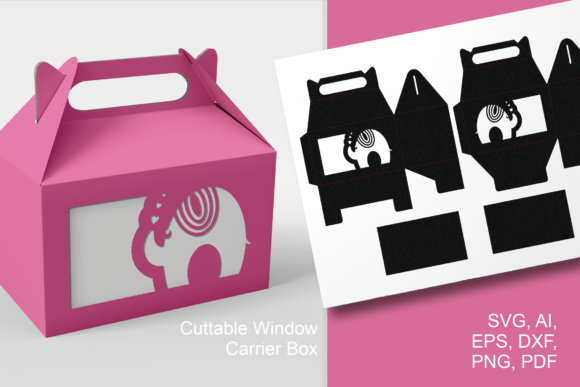
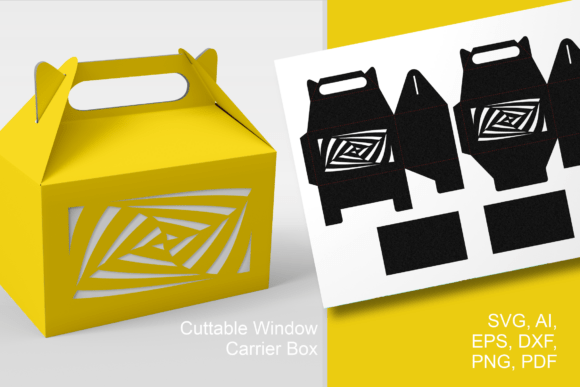
The magic comes from the "Op-Art Motif Cutout". Op-Art, short for Optical Art, is a style from the mid-20th century that uses geometric patterns, contrasts, and repetitions to create visual effects of movement, vibration, or illusion. When applied as a cutout on a box, it means the designer has created precise, decorative windows—not just simple circles or hearts, but intricate, repeating geometric patterns—that are cut directly from the card stock. These are the "decorative see-through holes" that adorn the broader sides, the front and back of the box. This transforms solid walls into elegant, transparent canvases, allowing a glimpse of the contents while presenting a stunning graphic design on the box itself.
The Ingenious Template Structure
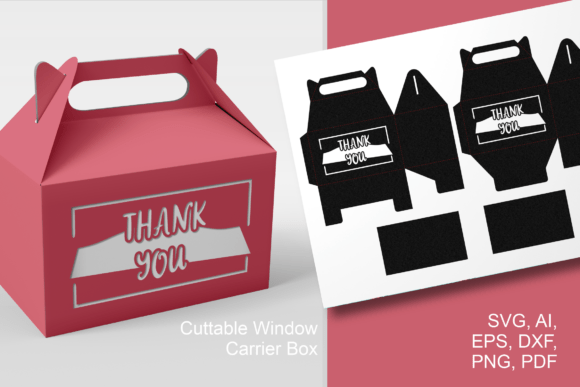
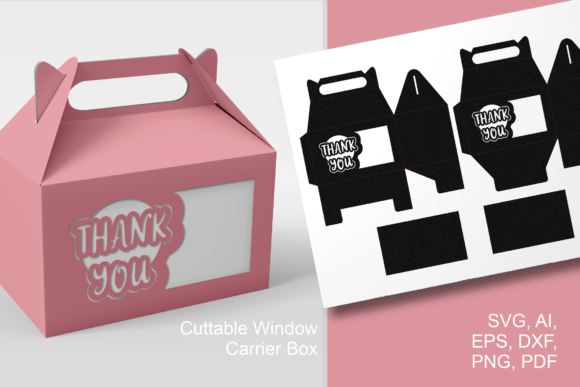
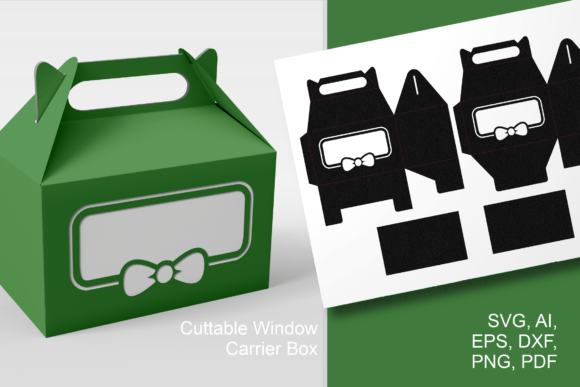
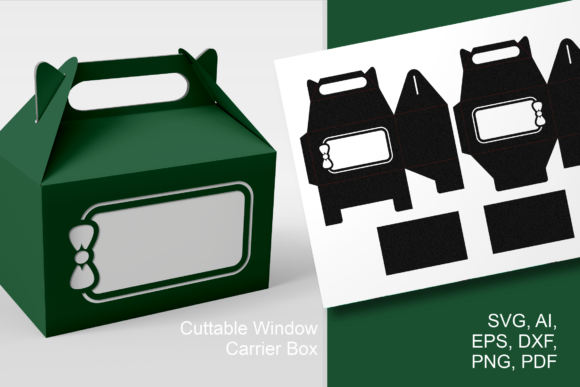
The genius of this specific offering lies in its completeness as a digital template. It typically consists of four integrated parts: two pieces for constructing the main box body and two separate pieces for the transparent inserts. Why inserts? Because the cutout holes are often large and intricate. To maintain the box's strength and to provide a true "window" effect, you can glue a clear acetate or vellum sheet behind the cutout panel. This ensures the Op-art pattern shines as a decorative element while the box remains robust enough to hold cookies, candies, or a small gift. The template is provided in versatile digital formats—SVG, EPS, AI, DXF for cutting machines, PDF for universal printing, and PNG/JPG for easy viewing—making it accessible whether you're a hobbyist with a home printer or a professional with a digital cutter.
Purpose and Significance: Beyond Simple Packaging
The purpose of this design is multifaceted. Primarily, it serves as exceptional packaging, elevating the act of giving. A box of homemade cookies becomes a bespoke gift when placed inside a geometrically patterned carrier. A handful of wedding favors for guests becomes a cohesive, stylish element of your décor. But its significance goes deeper.
Firstly, it bridges art and utility. It brings a recognized art movement (Op-Art) into the tactile, everyday realm of craft and celebration. Secondly, it empowers personalization and creativity. As a digital template, it is inherently flexible. The stated finished size of about 4 x 6.5 x 6.5 inches is a starting point; you can resize it to fit a single doughnut or a cluster of bath bombs, adapting it to your exact need. This adaptability makes it relevant for business owners looking for unique product packaging, educators planning a hands-on art and geometry project, or anyone seeking a creative outlet.
Clarifying a Common Assumption
A common misunderstanding is that such intricate templates require industrial equipment or professional design skills. The reality is quite the opposite. The provision of multiple file formats democratizes the process. An SVG file can be used with a hobby-grade cutting machine like a Cricut or Silhouette, automating the precise cut of the complex motif. Meanwhile, the PDF can be printed on a standard home printer on cardstock, and the cutlines can be followed manually with a craft knife for those who enjoy hands-on crafting. This template is designed to be approachable at multiple skill levels.
Practical Relevance in Modern Life and Celebration
How does this specialized gable box fit into our contemporary lives? Its relevance spreads across several domains.
- For Personal Celebration: It’s perfect for crafting unique party favors for birthdays, baby showers, anniversaries, or holiday gatherings (Christmas, Halloween, Easter). The "all-year-round" suitability is key—the geometric Op-art motif is often non-seasonal, making it elegant and versatile for any occasion.
- For Small Business & Retail: Artisans selling candies, jewelry, or small batch goods can use these boxes as distinctive, brand-enhancing packaging. The professional look, combined with the ability to resize for different products, offers cost-effective customization.
- For the Creative Hobby: It provides a satisfying project with a clear, beautiful outcome. The process of selecting paper, printing or cutting, assembling, and filling the box engages multiple creative skills in a single, rewarding activity.
- For Educational Contexts: In a classroom or workshop, this template can be a tool to teach principles of geometry (symmetry, repetition, pattern), graphic design (Op-art history), and practical math (measuring, scaling).
A Natural Example: The Wedding Favor Box
Imagine a wedding with a modern, minimalist aesthetic. The couple wants favors that reflect their style. Plain white or ivory cardstock is chosen. Using the Op-art motif template, they cut and assemble dozens of gable boxes. The geometric windows create a striking pattern. Inside each, they place a few artisan chocolates or a small scented candle. The clear insert behind the cutout keeps the contents secure while allowing the pattern to be the visual focus. These boxes then become a cohesive design element on the reception tables, appreciated by guests as both a gift and a piece of the event's visual identity. This example shows how the box transcends mere containment to become an integrated part of the celebration's design language.
Fostering a Broader Understanding: The Evolution of Paper Craft
To truly appreciate this item, it helps to see it within the broader trajectory of paper craft and packaging. For centuries, paper has been folded, cut, and shaped for utility and art. The digital age revolutionized this by introducing precision and repeatability through templates and cutting machines. The Op-Art Motif Gable Box is a prime example of this evolution: it leverages historical art styles (Op-Art), classic structural forms (the gable box), and modern digital fabrication (vector files for cutting machines). It represents how technology has expanded creative possibility, allowing intricate designs that would be prohibitively time-consuming to hand-draw and cut to be replicated perfectly and easily.
Furthermore, it aligns with a growing cultural emphasis on experience and presentation. In an era where social sharing is common, the visual appeal of a gift’s packaging contributes significantly to the memory and the moment. This box, with its intentional, artistic cutouts, is designed to be noticed, to be photographed, and to enhance the perceived value of its contents. It speaks to a desire for objects that are not just functional, but also meaningful and beautiful.
Key Considerations for Your Project
If you embark on creating these boxes, a few tips will ensure success:
- Material Choice: Use a sturdy cardstock (around 200-300 GSM) for the main box for durability. For the transparent inserts, clear acetate provides a crisp window, while vellum offers a softer, diffused look.
- Assembly Precision: Follow the cutlines and fold lines accurately. Clean folds and secure glueing on the tabs will result in a professional-looking, sturdy box.
- Content Pairing: Consider the color of your contents. Since the box has windows, the items inside will contribute to the overall color scheme. Choose complementary colors for an extra cohesive look.
- Resizing Wisely: When scaling the template up or down digitally, ensure all parts (box and insert templates) are scaled together uniformly to maintain fit and proportion.
The Final Gift: A Synthesis of Art, Craft, and Joy
The Op-Art Motif Cutout Gable Favor Box template is more than a digital file; it is an invitation to create, to elevate, and to personalize. It demystifies sophisticated design by providing a ready-made path to achieve it. Whether you are a beginner crafter looking for a guided project with a stunning result, a small business owner seeking distinctive packaging, or simply someone who believes a gift should be beautiful from the outside in, this design serves your purpose. It encapsulates how modern tools can bring historical art forms into our hands, allowing us to craft objects that are useful, significant, and filled with visual intrigue. In the end, every box you make becomes a carrier not just for candies or favors, but for thoughtfulness, creativity, and a touch of geometric wonder.