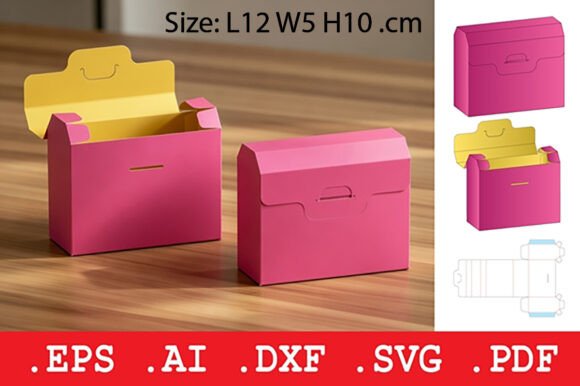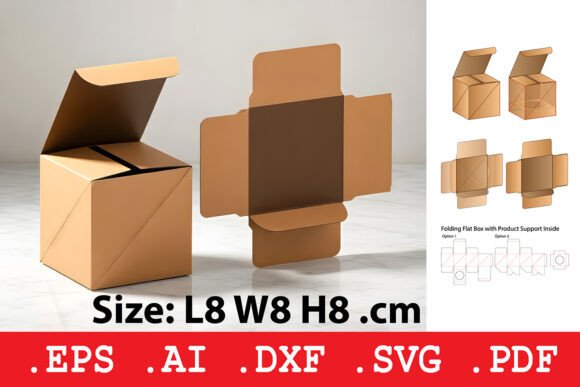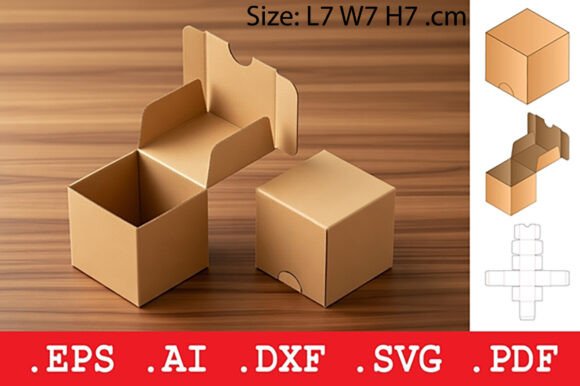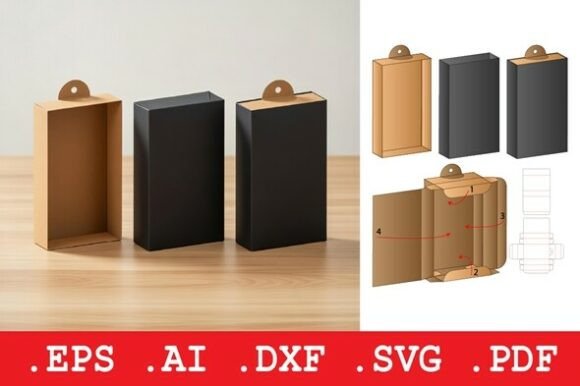
Elevate Your Product with a Folding Window Retail Box
In the world of retail, presentation is paramount. A product’s packaging isn’t just a container; it’s the first impression, a silent salesperson, and a key factor in customer experience. The Folding Window Retail Box template offers a sophisticated yet incredibly practical solution to this challenge. It’s a pre-designed digital blueprint for creating a physical box that combines elegant design with user-friendly construction.
A Simple Solution for Beautiful Packaging
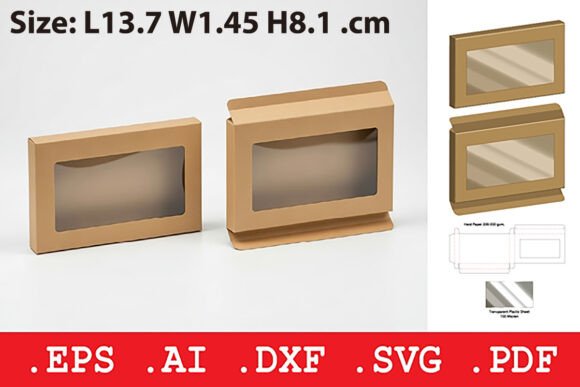
Think of the Folding Window Retail Box as a smart, ready-to-use pattern. Its core design features a large, clear window on the front panel, allowing your product to be seen immediately. This isn’t a flimsy envelope; it’s a sturdy box with a secure folding lid and base engineered for no-glue assembly. You simply cut the shape from your chosen material, fold along the designated lines, and the box locks itself together. This eliminates messy adhesives and simplifies the process, making it accessible even for beginners.
The template is optimized for materials like 180-350 gsm cardstock, which provides a premium, crisp feel, or for pairing with translucent plastic window inserts. This flexibility ensures excellent product visibility while maintaining the box's structural integrity. Your items are showcased, not hidden, yet they remain safely and securely housed.
The Universal Appeal of Window Display Packaging
The value of this design lies in its universal appeal and problem-solving nature. For a small business owner selling handmade cookies, the box protects the goods while letting customers see the quality and craftsmanship. A cosmetics creator can display a beautiful lipstick or soap, enhancing the perceived value. An artist or stationery seller uses the window to show intricate notebook designs or art prints without the customer needing to open it. Each scenario solves a common retail problem: how to build trust and attract attention through transparency while ensuring the product arrives in perfect condition.
Its appeal extends beyond purely commercial contexts. Educators might use it for presenting student projects in a professional manner. Bloggers creating physical merchandise for their audience can achieve a polished, store-ready look effortlessly. Hobbyists making gifts for friends can elevate a simple present into something that feels specially curated. The box supports goals centered around professionalism, aesthetic presentation, and efficient, clean assembly.
Practical Applications Across Industries
The use cases for the Folding Window Retail Box are as varied as the products it can hold. Let’s explore some realistic examples.
- Food & Bakery: For bakeries, patisseries, or home-based food businesses, this box is ideal. Macarons, specialty chocolates, or decorated cupcakes can be displayed beautifully. The window builds appetite appeal, and the sturdy construction prevents damage during transport or on a shelf.
- Cosmetics & Skincare: Small batch producers of creams, balms, or solid perfumes benefit immensely. The packaging feels luxurious, allows the color or texture of the product to shine, and aligns with the clean, transparent branding many beauty brands seek.
- Stationery & Art: High-quality pens, artisanal notebooks, or limited edition prints deserve presentation that matches their quality. The window box offers that gallery-like feel, protecting the item while inviting admiration.
- General Retail & Crafts: From jewelry and small tech accessories to handmade toys and craft kits, any merchandise that benefits from visual inspection finds a perfect home in this box. It turns a simple product into a gift-ready item.
In a digital or maker context, the included file formats unlock further possibilities. The .DXF and .SVG files allow creators with access to CNC machines, laser cutters, or digital craft cutters to produce boxes with precision and repeatability. The .EPS and .PDF formats cater to traditional print shops or those who prefer manual assembly. The original .AI file empowers professionals or confident designers to fully customize the template—altering dimensions, adding brand logos, or tweaking the window shape—making it a truly adaptable foundation.
Important Considerations Before You Begin
While the Folding Window Retail Box template is designed for ease, a few practical observations will ensure your success. First, material choice is critical. The recommended cardstock weight (180-350 gsm) provides the necessary rigidity. Using a paper that’s too thin will result in a box that feels weak and may not hold its fold-lock structure. If you opt for a plastic window insert, ensure it’s cut cleanly to fit the aperture without obstructing the view or interfering with the folds.
Second, consider your assembly environment. The no-glue design is a huge advantage, but precise folding along the score lines is key. A blunt fold can weaken the seam. Using a folding tool or simply taking care to crease firmly along the lines will yield the best, most professional result.
Finally, think about scale. The template is scalable, but if you’re drastically enlarging or reducing it, test a prototype first. Ensure the product still fits comfortably and the window remains an appropriate size for display. The beauty of the provided source files is that they allow for these adjustments, so don’t hesitate to experiment on a small scale before committing to a full production run.
From Template to Tangible Impact
Moving from a digital file to a physical box that elevates your product is a rewarding process. The Folding Window Retail Box bridges the gap between complex custom packaging design and accessible, do-it-yourself solutions. It empowers individuals and businesses to create packaging that looks professionally manufactured, without the associated high costs or technical hurdles.
Whether you’re a professional entrepreneur looking to streamline your packaging process, a casual user making gifts, or a hobbyist exploring product creation, this template offers a reliable foundation. It supports the need for efficiency, the desire for aesthetic appeal, and the practical requirement for product safety. By choosing a design that prioritizes visibility and simple construction, you invest not just in a box, but in the overall experience your customer will have—from the first glance to the moment they open it.