Rectangular Angled Tuck Top Box: A Packaging Solution
In the world of product packaging, finding a balance between visual appeal, structural integrity, and practical assembly can be challenging. One specific template that addresses these needs is the rectangular angled tuck top box. This design is characterized by a distinctive diagonal lid closure and typically incorporates an internal sleeve to reinforce the structure. It is engineered for materials like 180 to 350 GSM paperboard, offering a blend of rigidity for protection and pliability for easy folding. This article provides an objective exploration of the rectangular angled tuck top box, examining its applications, benefits, and considerations to help you evaluate its suitability for your project.
Understanding the Rectangular Angled Tuck Top Box Design
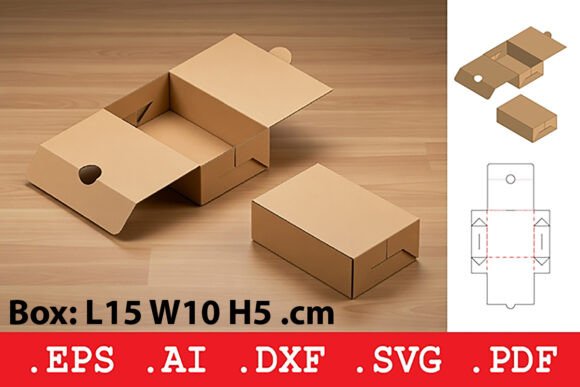
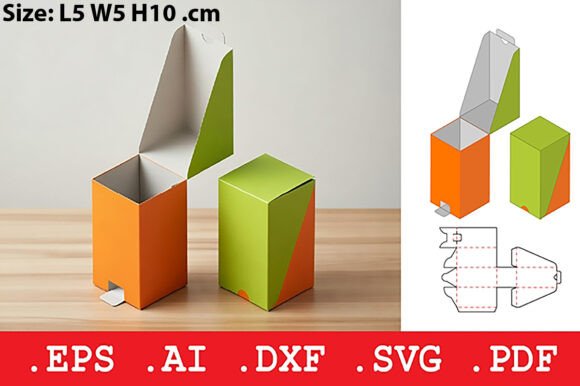
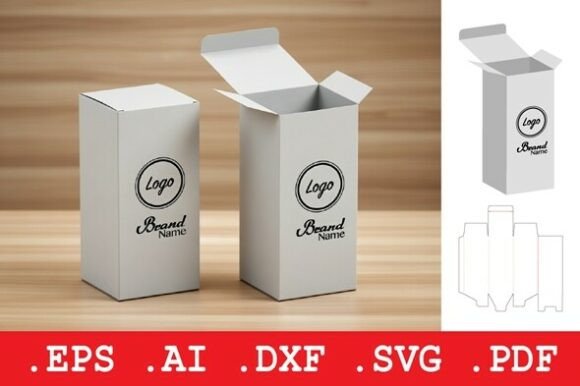
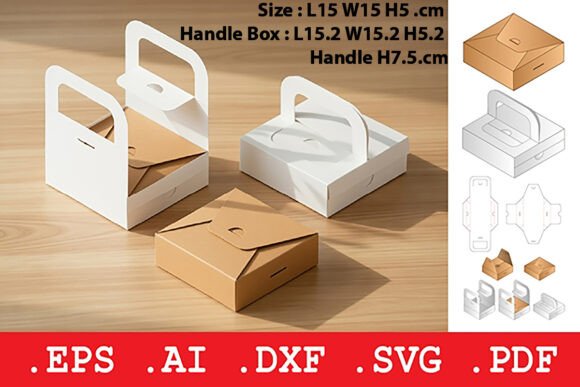
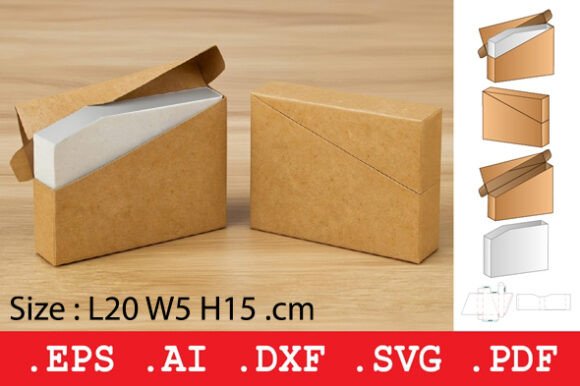
The rectangular angled tuck top box is a specific style of folding carton. Its defining feature is a lid that closes via angled, or diagonal, tuck flaps rather than a straight horizontal fold. This creates a unique geometric presentation upon opening and closing. The design often pairs this lid with a full inner sleeve—a separate piece that fits inside the main box—which adds significant strength to the walls and base. The template is optimized for mid-weight paper stocks, ensuring the material can withstand the repeated bending required for the angled tuck mechanism without being too thick to fold cleanly. The assembly process is generally manual and designed for straightforward construction, resulting in a precise, professional-looking finish without requiring complex machinery or adhesives.
Potential Reasons for Interest in This Packaging Style
Individuals and businesses researching packaging might consider a rectangular angled tuck top box for several core reasons. Primary motivators often include a need for a packaging format that offers more visual distinction than a standard straight-tuck box. The diagonal closure provides a unique unboxing experience. Secondly, interest may stem from a requirement for added durability without moving to a fully rigid material like thick cardboard; the inner sleeve addresses this by bolstering the box's resilience. Thirdly, projects that necessitate a balance between aesthetic quality and cost-effective, manual assembly could find this template appealing. Finally, the availability of the template in multiple file formats—such as DXF for laser cutting, SVG for digital design, and AI for full customization—makes it accessible for a range of production methods, from professional CNC machining to craft-level execution.
Key Benefits and Practical Advantages
The rectangular angled tuck top box presents several clear advantages. The integrated inner sleeve is a significant benefit, providing enhanced structural support to protect contents better than a single-walled box. This makes it suitable for slightly heavier or more fragile items than a basic carton. The angled tuck top lid creates a secure closure that can be opened and reopened, which is useful for products that may be inspected or used intermittently. From a production standpoint, the design's optimization for readily available paper weights simplifies material sourcing. The clean folding mechanism ensures a consistent, neat appearance when assembled correctly, enhancing perceived product value. The inclusion of comprehensive digital file formats facilitates adaptation for specific product dimensions or branding elements.
Tradeoffs and Important Considerations
While beneficial, the rectangular angled tuck top box also involves certain tradeoffs. The assembly process, though designed to be easy, still requires manual folding and insertion of the inner sleeve. This can add time per unit compared to simpler pouch or sleeve packs, which may impact labor costs for large runs. The design's reliance on precise folding means that using paper stock outside the recommended GSM range—either too thin or too thick—could result in poor structural integrity or difficult assembly. The distinctive angled lid, while visually interesting, may consume slightly more material than a straight-cut design, potentially affecting per-unit material cost. Furthermore, its rectangular form and tuck closure might not be the most space-efficient shape for shipping in bulk pallets compared to some other container styles.
Situations Where This Box is a Strong Fit
The rectangular angled tuck top box excels in specific applications. It is an excellent choice for retail products where presentation and moderate protection are key. This includes categories like premium stationery sets, small electronic accessories (e.g., cables, adapters), curated gift items, artisan food products, or lightweight cosmetics. Its recloseable nature makes it fitting for goods that are not fully consumed upon first use. Businesses aiming for a mid-tier packaging option—more robust than a simple bag but less costly than a rigid box with custom inserts—will often find it aligns well with their goals. It is also a strong fit for projects utilizing digital cutting technologies like lasers or CNC routers, given the provided DXF and SVG files, and for designers who require full customization capabilities via the original AI source file.
When Alternatives Might Be Worth Considering
It is practical to evaluate alternatives to the rectangular angled tuck top box in certain scenarios. For products requiring extremely high durability or protection from crushing, a double-walled rigid box or a box with custom foam inserts might be more appropriate. If the primary goal is ultra-low-cost packaging and speed of assembly for very high-volume runs, a simple pouch or a straight-tuck box without an inner sleeve could be more efficient. For items that are very small or oddly shaped, a custom-sized pillow pouch or a small rigid container might offer better fit and material use. Furthermore, if the product is intended for a single-use, disposable experience where reclosure is irrelevant, a simpler seal or one-piece design could suffice. Evaluating the core needs of protection, cost, assembly time, and visual impact will guide whether this box or an alternative is optimal.
Practical Insights for Decision-Making
To determine if the rectangular angled tuck top box aligns with your needs, start by assessing your product's specific requirements. Consider its weight, fragility, and dimensions to verify they match the support offered by the inner sleeve and the box's size capacity. Evaluate your production capabilities: do you have the means for manual assembly, or would you require fully automated forming? Review the material you plan to use against the 180-350 GSM recommendation. Crucially, define the importance of unboxing aesthetics and brand presentation in your project; the angled lid offers a distinct advantage here. Finally, examine the provided file formats against your manufacturing or design tools to ensure compatibility. By methodically comparing these factors against the design's characteristics, you can make an informed selection.
In summary, the rectangular angled tuck top box is a versatile packaging template that merges distinctive design with functional reinforcement. Its balanced properties make it a compelling option for a range of retail and gift products. A thorough evaluation of your product's needs, production constraints, and brand goals against the box's benefits and tradeoffs will reveal whether it is the right solution. For those seeking a presentation-focused, manually-assembled carton with added durability, it often proves to be a highly effective choice.