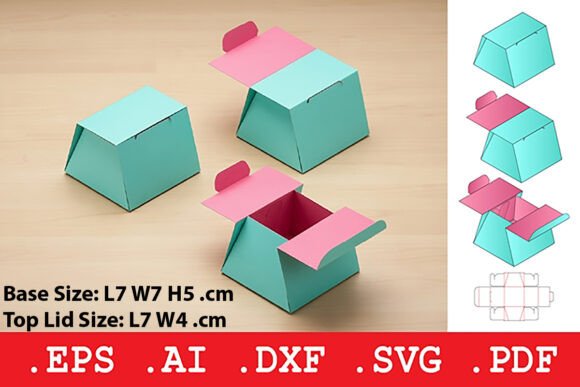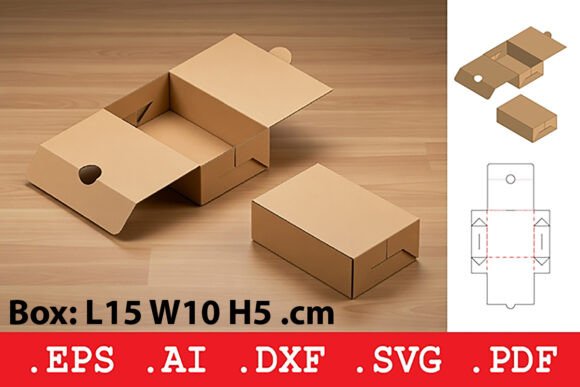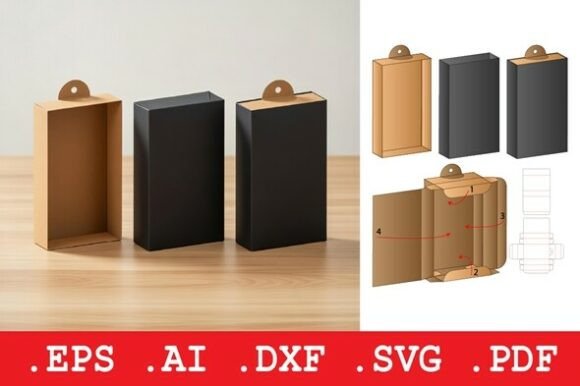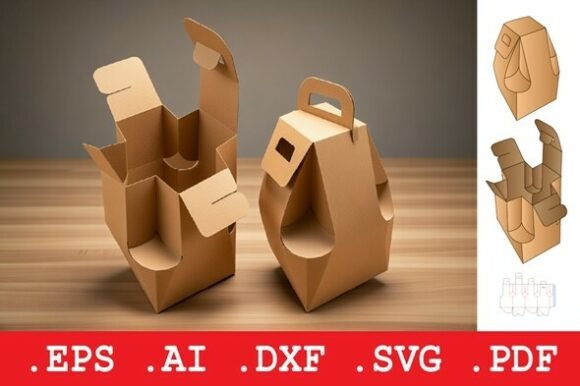
The Diagonal Side Tuck Box: A Modern Packaging Solution
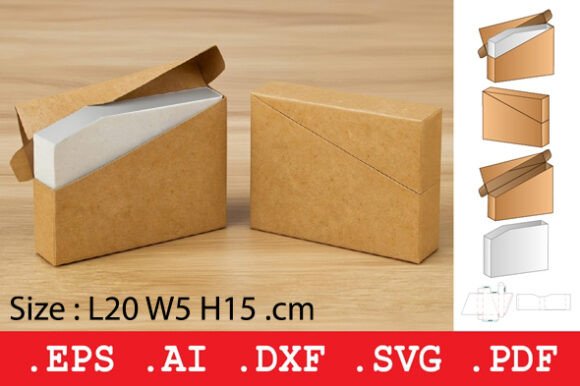
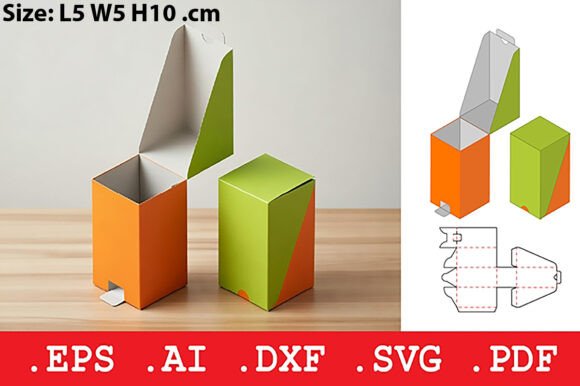
In a retail environment saturated with standard rectangular boxes, creating a memorable unboxing experience for your customers is a significant challenge. The need for packaging that is both functional and aesthetically distinctive is paramount for brands looking to stand out. The Diagonal Side Tuck Box addresses this need directly. This eye-catching packaging template creates a rectangular box with a striking diagonal front panel and a small bottom tuck tab, offering a unique blend of quick assembly, secure closure, and dynamic visual appeal.
Understanding the Structure and Appeal
The Diagonal Side Tuck Box is more than just a container; it is a structural statement. Its defining feature is the angled front face, which breaks the monotony of traditional vertical and horizontal lines. This diagonal panel creates a sense of movement and modernity, drawing the eye immediately. The complementary design element is the integrated bottom tuck tab. This small tab allows for swift assembly without the need for adhesive during final closure, while also providing a secure yet easy-open mechanism for the end user. This combination solves a common packaging dilemma: balancing robust protection for the product with convenient accessibility.
Addressing Key Packaging Challenges
Brands and creators face several intertwined challenges when selecting packaging. First is the need for cost-effective production without sacrificing quality. The Diagonal Side Tuck Box template, optimized for 200-350 gsm cardstock or paperboard, delivers a lightweight yet durable structure that is economical to produce and ship. Second is the demand for efficient assembly, especially for small businesses or those hand-finishing batches. The pre-engineered tuck tab system significantly reduces assembly time and complexity. Finally, and perhaps most critically, is the challenge of shelf presence and brand perception. Static packaging can fail to communicate a brand's innovation or style. The dynamic angled design of the Diagonal Side Tuck Box inherently conveys a sense of contemporary craftsmanship and attention to detail.
Practical Applications Across Industries
The versatility of the Diagonal Side Tuck Box makes it a compelling choice for a wide array of products. Its structure is perfectly suited for items that benefit from both protection and presentation.
Cosmetics and Personal Care
For lip balms, single-serve creams, or sample-sized serums, the box offers a boutique feel. The diagonal front can elegantly display a logo or brand element, while the secure closure ensures the product remains intact.
Technology and Accessories
Small electronics accessories, USB cables, or compact earphones often come in bland plastic pouches. A Diagonal Side Tuck Box elevates these items into giftable, retail-ready products, enhancing perceived value.
Jewelry and Small Goods
For jewelry makers or artisans selling small trinkets, the box provides a structured home that prevents damage. The easy-open feature is appreciated by customers, avoiding frustration with difficult packaging.
Confectionery and Gourmet Samples
High-end chocolates, tea samples, or specialty spices can use this design to signal quality. The box protects the contents while its angled design suggests something unique and artisanal inside.
Boutique Retail and Subscription Boxes
Any curated, small-item business can leverage this template to create a cohesive and striking unboxing moment. The modern structure aligns perfectly with brands aiming for a clean, design-forward identity.
Implementation and Customization
Successfully deploying the Diagonal Side Tuck Box relies on understanding the provided resources and material considerations. The template comes as a comprehensive set of files tailored for different production methods.
- The .DXF file is compatible with CNC and laser cutting hardware, enabling precise, automated fabrication.
- The .SVG file offers a scalable vector format perfect for digital design work and craft cutter machines.
- The .EPS file serves as a standard vector format for professional-grade industrial printing setups.
- The .PDF file provides a print-ready document ideal for manual cutting or straightforward viewing.
- The .AI file is the original Adobe Illustrator source, granting full customization power for designers to adjust dimensions, graphics, or dielines.
Choosing the correct 200-350 gsm cardstock is essential. This weight range ensures the box has enough rigidity to maintain its elegant shape and protect the product, while remaining lightweight. A heavier paperboard can be used for more luxury items, while a lighter cardstock might be chosen for cost-sensitive sample programs.
Tailoring the Approach for Different Users
How one approaches the Diagonal Side Tuck Box depends greatly on their role and resources.
A small business owner or artisan might focus on the .PDF or .SVG files for manual or craft-cutter production. Their primary goal is to create a distinctive, professional-looking package without investing in complex manufacturing. For them, the quick assembly is a major time-saving benefit.
A professional designer or packaging engineer at a larger brand will likely dive into the .AI or .EPS source files. Their need is to integrate the box perfectly into a broader brand ecosystem, possibly modifying the dieline or scaling the template for a specific product line. They value the industrial-standard file formats that ensure seamless workflow with printers and die-cutters.
A marketing or product manager looks at the Diagonal Side Tuck Box through the lens of customer experience and brand differentiation. They are interested in the outcomes: how the box will look on shelf, how it will feel in a customer's hand, and how it will amplify the product's story online via social media unboxing videos.
Recommendations for Optimal Outcomes
To maximize the benefits of the Diagonal Side Tuck Box, consider these practical recommendations. First, always prototype. Use the .PDF to cut and assemble a sample with your intended material to test the feel, assembly time, and product fit. Second, leverage the diagonal panel as a key branding canvas. This is your prime visual real estate for a logo, pattern, or typographic treatment. Third, consider the full unboxing journey. The easy-open tuck tab should be intuitively located for the customer; you might add a small graphic or text hint like "Pull Here" to enhance usability. Finally, align your material choice with your product's weight and brand positioning. A luxury item deserves a thicker, textured cardstock, while an eco-conscious brand might select a recycled option within the recommended GSM range.
By focusing on its structural ingenuity and practical benefits, the Diagonal Side Tuck Box emerges as a powerful tool. It solves functional problems of assembly and security while directly addressing the strategic need for standout packaging design. Whether you are packaging a delicate piece of jewelry, a tech accessory, or a gourmet treat, this template provides a pathway to a more modern, memorable, and user-friendly presentation for your product.