The Mechanics and Mastery of the Rectangular Self Locking Folding Box
In the world of product presentation and protection, packaging is rarely just a container. It is a functional interface, a branding opportunity, and a crucial component of the logistics chain. Among the myriad of packaging solutions available, one design stands out for its elegant simplicity and robust utility: the Rectangular Self Locking Folding Box. This packaging template, often delivered as a set of ready-to-use digital files, represents a significant leap from traditional adhesive-based or taped closures. Its core innovation lies in its mechanical design—a secure, self-locking lid and reinforced side walls that create a stable closure without the need for glue, tape, or other external fasteners.
Decoding the Design: How Self-Locking Mechanics Work
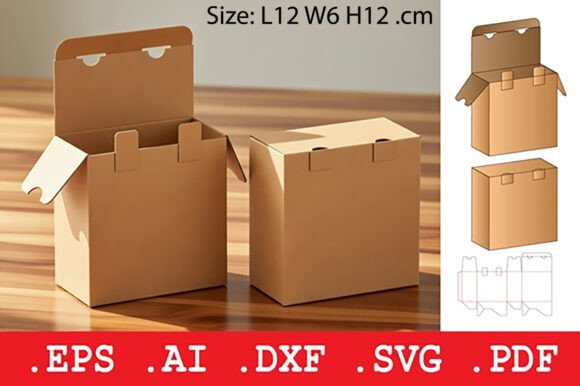
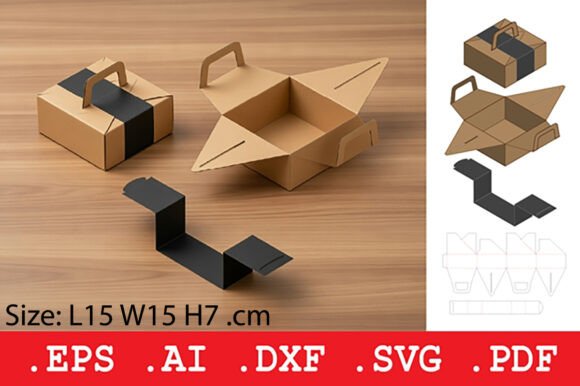
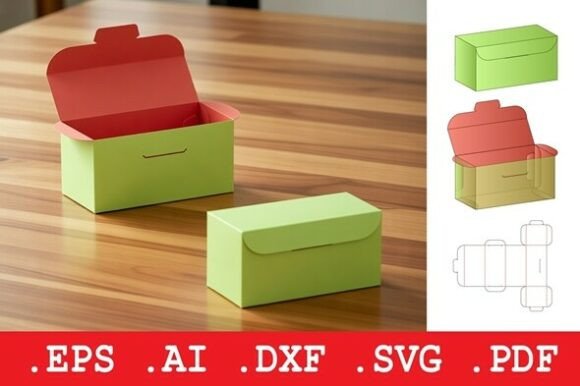
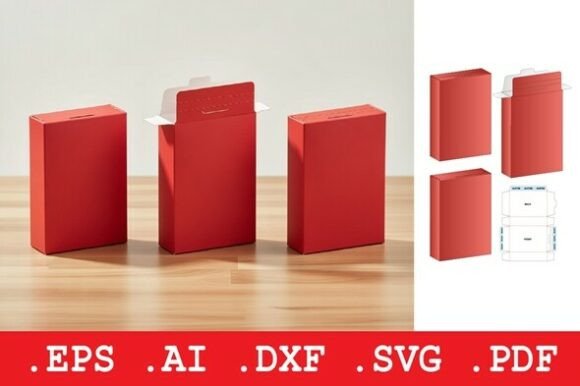
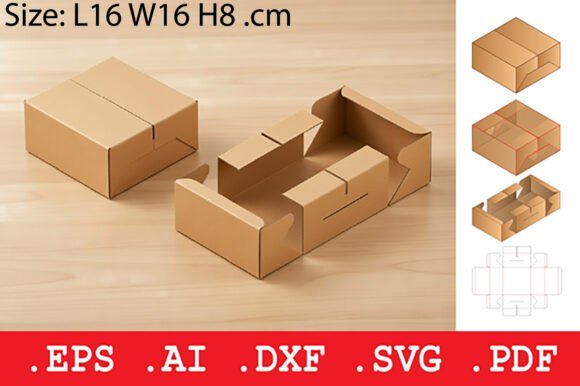
The principle behind a Rectangular Self Locking Folding Box is rooted in precision geometry and intentional material tension. The template is engineered so that specific flaps and tabs, when folded in the correct sequence, interact to create a positive lock. Typically, an integrated front locking tab is designed to slot into a corresponding aperture or fold behind a reinforced panel. This action, combined with the inherent stiffness of the side walls, which are often double-walled or have strategic creases, generates a stable three-dimensional structure. The closure is held firm by the counter-pressure of the box walls against the locking tab, a purely physical interaction that eliminates the mess and variability of adhesives.
This mechanism is not just about closing a box; it's about maintaining integrity. During handling, shipping, and stacking, a box can be subjected to various forces. A traditional glued seam can weaken or peel. The self-locking design, however, distributes these forces across the entire structure. The reinforced side walls act like architectural buttresses, preventing collapse and ensuring the Rectangular Self Locking Folding Box retains its shape and protects its contents from compression and impact.
Material Harmony: The 180-350 GSM Paper Range
The effectiveness of the self-locking design is profoundly influenced by the material used. The template is optimized for paper weights between 180 and 350 grams per square meter (GSM). This range is deliberately chosen to achieve a balance of flexibility and strength. A 180 GSM paper offers sufficient flexibility for clean, crisp folding along the design's score lines without cracking or tearing. It provides a lightweight yet respectable feel, ideal for smaller consumer goods or cosmetic items.
On the higher end, 350 GSM paper—or cardstock—introduces greater rigidity and durability. This weight allows the reinforced side walls and locking tab to exert and withstand more pressure, creating an exceptionally sturdy box suitable for heavier retail products like small electronics, specialty foods, or craft supplies. The material's inherent strength complements the structural design, ensuring the lock holds securely even under load. Venturing outside this recommended GSM range can compromise the function; paper too light may not hold the lock, while material too thick may resist proper folding or strain the cutting equipment.
Real-World Applications: From Retail to Hobbyist Workshops
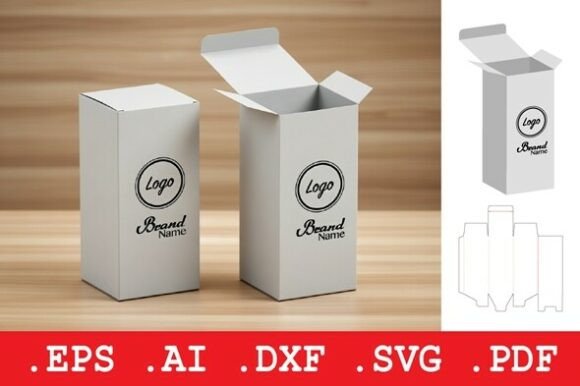
The versatility of the Rectangular Self Locking Folding Box structure opens doors to a wide array of applications. In retail environments, it serves as a premium, shelf-ready package for goods such as artisan chocolates, boutique skincare products, or small hardware items. The clean, adhesive-free exterior offers a superior surface for high-quality printing, allowing brands to leverage the entire box as a canvas for logos, graphics, and product information.
Beyond commercial retail, this design is a favorite among makers and hobbyists. The availability of the template in formats like .SVG and .PDF enables individuals using digital craft cutters or even manual scissors and knives to produce professional-grade packaging for their own creations. A jewelry maker can package earrings, a baker can box up specialty cookies, or an artist can present prints—all with a box that feels expertly made. For educators and researchers, the box can be used to organize and present samples, prototypes, or educational materials, where reusable, secure storage is needed.
Its practicality extends into logistics and shipping for small businesses. The reliable, self-maintaining closure means products are better protected during transit, reducing the risk of damage and customer dissatisfaction. The uniform rectangular shape also optimizes packing and palletizing efficiency.
The Digital Blueprint: Understanding the Included File Formats
A key aspect of the Rectangular Self Locking Folding Box's accessibility is its delivery as a digital template suite. Each file format serves a distinct purpose, catering to different production methods and user skill levels.
- .DXF: This file is compatible with CNC routers and laser cutting hardware. It provides precise vector paths for machines to cut and score the material, enabling high-volume, automated production for industrial or professional workshop settings.
- .SVG: As a scalable vector graphic, this format is ideal for digital design software and modern craft cutters. Designers can easily scale the box to different sizes without loss of quality or integrate the template into larger design compositions.
- .EPS: A standard vector format for the printing industry, the EPS file ensures the template can be imported into high-end layout and printing software for large-run, industrial offset or digital printing processes.
- .PDF: This print-ready document is the most universally accessible. Users can open it on any device, view the layout, and print it on a home or office printer for manual cutting and assembly, making it perfect for prototyping or small batches.
- .AI: The original Adobe Illustrator source file offers full customization. Advanced users can modify dimensions, alter graphics, adjust score lines, or even tweak the locking mechanism itself to suit a unique need, providing complete creative control.
This multi-format approach ensures that whether a user is a large manufacturer with a laser cutter, a designer in a print shop, or a hobbyist at a kitchen table, they have the right tool to bring the Rectangular Self Locking Folding Box to life.
User Experience and Practical Considerations
A significant, often overlooked advantage of this box design is its contribution to the user experience, both for the packer and the end consumer. For the assembler, the process is clean and efficient. There is no waiting for glue to dry, no dealing with sticky residue, and no risk of misalignment that can occur with wet adhesives. The folding sequence, once learned, is quick and repeatable. This can streamline packing operations, especially for small businesses or market vendors doing on-site packaging.
For the customer, the unboxing experience is notably clean and user-friendly. Opening the box typically involves a simple reversal of the locking mechanism—disengaging the tab—which feels intentional and refined compared to tearing through tape or struggling with glued flaps. This positive interaction can enhance the perceived value of the product inside and leave a lasting impression of quality and care.
When implementing this packaging, several practical considerations come into play. First, precision in cutting and folding is paramount. Since the lock relies on exact geometry, poorly cut tabs or imprecise folds can lead to a weak closure. Using the correct material GSM, as discussed, is critical. Secondly, while the design is adhesive-free, it can be combined with other elements; for example, an internal velcro dot or a decorative external sticker might be added for branding without compromising the core mechanical lock. Finally, testing a prototype is always advisable. Producing a single box from the .PDF file allows one to verify the lock strength, the fit for the intended product, and the overall aesthetic before committing to a large production run.
Evolution and Trends in Self-Locking Packaging
The Rectangular Self Locking Folding Box sits within a broader trend towards sustainable and efficient packaging. The elimination of adhesives reduces the use of chemicals and simplifies the material stream, often making the box easier to recycle since it's pure paper or cardstock without bonded contaminants. Furthermore, the efficiency of the design minimizes material waste through precise engineering.
The trend toward customization and on-demand production is also serviced perfectly by this digital template model. Businesses can order small batches printed locally or even produce boxes in-house as needed, responding agilely to market demand. The design’s strength and reusability also encourage a circular mindset; a well-made self-locking box might be reused by the consumer for storage, aligning with growing consumer preferences for sustainable practices.
In essence, the Rectangular Self Locking Folding Box is more than just a pattern for a container. It is a thoughtfully engineered system that addresses functional needs, production flexibility, material efficiency, and user experience. Its relevance spans from global supply chains to individual craft tables, proving that intelligent design, when executed well, can find universal application.