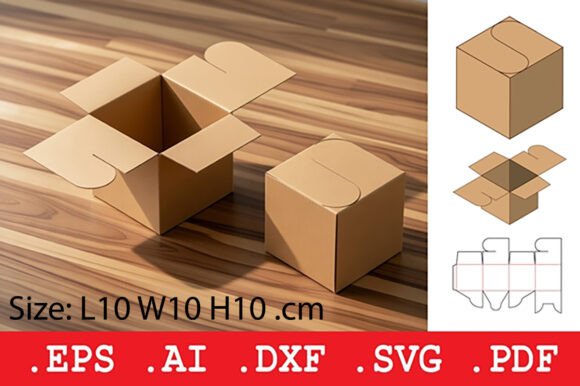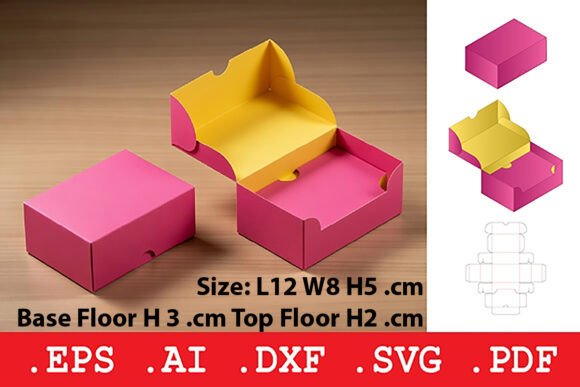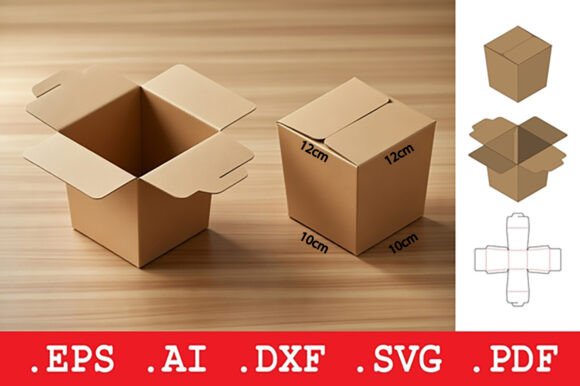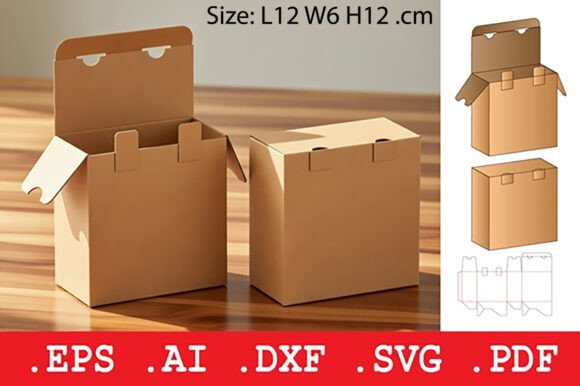
The Versatile World of Folding Business Envelope Stationery
In a digital-first era, the tangible impact of a well-crafted, physical document remains surprisingly powerful. At the heart of this professional presentation is often a simple yet critical component: the folding business envelope stationery template. This design, featuring a classic gummed flap, is more than just a paper container. It is a foundational tool for communication, branding, and logistics, seamlessly bridging traditional business etiquette with modern production technology.
The Anatomy of Professional Presentation
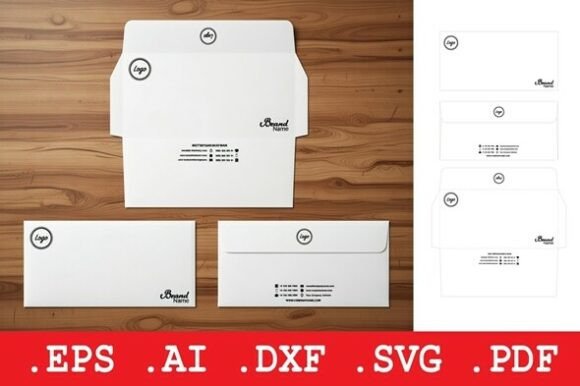
A folding business envelope template provides the complete blueprint for creating a finished envelope from a flat sheet of paper. Unlike pre-formed envelopes, this design is engineered to be folded and sealed, creating its own structure. The core purpose is to offer a clean, standardized, and executive look for contents that demand respect and attention—official letters, contractual invoices, confidential reports, or premium marketing materials.
Its significance lies in its dual role. Firstly, it functions as a protective vessel, ensuring documents arrive intact and private. Secondly, it acts as the first point of visual contact, setting the tone for the communication inside. A crisp, properly proportioned envelope conveys organization, attention to detail, and professionalism before the recipient even opens it.
Understanding the Classic Gummed Flap Design
The hallmark of this stationery template is the gummed flap. This is a strip along the envelope's closure edge coated with a moisture-activated adhesive. To seal, you simply moisten the gummed strip and press it down. This design is "classic" because it is universally recognized, secure, and reliable for mailing. It offers a tamper-evident seal, which is crucial for official or legal documents, and it integrates perfectly with automated mailing machinery. The gummed flap represents a balance between traditional practice—the ritual of sealing a letter—and functional, mass-production readiness.
More Than Paper: Technical Specifications and Practical Relevance
The template is optimized for paper weights between 80 and 200 GSM (grams per square meter). This range is deliberately versatile. 80-100 GSM paper creates a lightweight, cost-effective envelope suitable for bulk mailings or internal documents. Moving to 120-200 GSM paper offers a heavier, more substantial feel, ideal for premium client correspondence or high-end brand collateral. This lightweight folding structure ensures the envelope remains mail-friendly, avoiding excessive postage costs, while still providing that desired rigid, quality feel.
Practical relevance extends into production. Whether you are a large corporation sending thousands of invoices, a small business crafting personalized client letters, or an individual preparing a special application, this template adapts. Its design includes precision dielines—these are the cut and fold lines etched into the template. They are the guides that ensure every envelope, whether produced by a high-speed industrial cutter or assembled by hand at a craft table, ends up with identical, professional dimensions and a perfectly flat profile for easy stacking, storage, and insertion into mail slots.
Fitting into Modern Work and Creativity
In modern business, efficiency and customization are paramount. This envelope template fits directly into this ethos. For operational logistics, the standardized design streamlines mailroom processes and ensures compatibility with postal systems worldwide. For marketing and branding, it provides a canvas. The flat template format means the entire exterior can be printed with full-color designs, logos, or patterns before it is folded, transforming a simple envelope into a powerful brand touchpoint.
Beyond corporate walls, this template has found a vibrant home in creative and educational spheres. Artists and crafters use it to create unique, handmade stationery for boutique shops or personal projects. Educators utilize it in practical lessons on geometry, manufacturing, and design. The act of transforming a flat sheet into a functional 3D object is a clear, hands-on example of applied design and engineering.
The Digital Blueprint: Understanding the Included File Formats
A critical aspect of modern folding business envelope stationery is its digital origin. The template is not just a physical idea; it is a set of digital files, each serving a distinct production purpose. This is where the template bridges the gap between design intention and physical reality.
A Toolkit for Every Production Method
- .DXF (Drawing Exchange Format): This file contains the precision cut lines. It is the language for CNC routers and laser cutting hardware. If you are using automated machinery to cut hundreds of envelopes from sheets, this file provides the exact path for the cutter to follow.
- .SVG (Scalable Vector Graphics): A versatile, web-friendly vector format. It is perfect for digital design software and, notably, for craft plotters—the desktop cutting machines popular in hobbyist and small business communities. It allows for infinite scaling without quality loss.
- .EPS (Encapsulated PostScript): An industry-standard vector format for high-quality printing and professional graphic design software. It ensures that when a print shop outputs your design to a large press, the lines and shapes remain perfectly sharp.
- .PDF (Portable Document Format): The universal print-ready document. This is the file you can send directly to a printer, open on any device, or use for manual assembly. It shows the final layout exactly as it should appear, with clear dielines for hand-cutting and folding.
- .AI (Adobe Illustrator Source File): This is the original, editable source. Offering full customization, it allows graphic designers to change dimensions, alter graphics, adjust the flap style, or integrate the template into a larger stationery suite. It is the master key for complete creative control.
The provision of these multiple formats clarifies a common misunderstanding: that such templates are only for industrial use. In reality, this suite of files democratizes production. It empowers a freelance designer, a school administrative office, or a wedding planner to produce professional-grade envelopes with the tools they have available, from a large-scale print bureau to a desktop inkjet printer and a craft knife.
From Template to Envelope: The Journey of Assembly
Understanding how the template becomes an envelope helps solidify its role. The process, guided by the dielines, typically involves three steps: cutting, folding, and sealing.
- Cutting: Using the .DXF, .SVG, or even the printed .PDF as a guide, the envelope shape is cut from a sheet of paper. The dielines mark not only the outer perimeter but often also the precise shape of the gummed flap area.
- Folding: The flat cut-out has fold lines indicating where the side flaps and the main front panel bend. These folds create the envelope's pocket. Precision here is key to achieving that "flat profile," ensuring the envelope is not bulky or misaligned.
- Sealing (and Gumming): If using pre-gummed paper, the adhesive is already on the flap. If using standard paper, gummed strips can be applied. The final act—moistening and sealing—transforms the folded paper construction into a secure, finished product.
This journey can occur at lightning speed on a factory floor with automated folding and sealing machines, or it can be a deliberate, hands-on process for a small batch of personalized thank-you notes. The template's design ensures both methods yield the same professional result.
Building a Broader Understanding: The Envelope in Context
To fully appreciate folding business envelope stationery, one must see it not as an isolated product but as a node within larger systems. It is a touchpoint in brand experience, a cog in business logistics, and a tool in personal organization.
For example, consider a law firm. They use heavy 200 GSM paper with this template to send legal documents. The envelope's weight and crisp fold convey gravity and authority. Its secure gummed flap ensures confidentiality. The use of the .AI file allows their designer to incorporate a blind embossed logo on the flap, enhancing brand prestige. Here, the envelope is an active part of the firm's professional identity.
Conversely, an online retailer might use a lighter 100 GSM version with the template, printed in bulk via the .EPS file, for shipping invoices. Its flat profile allows for easy automated insertion into packing boxes. The envelope here is a functional, cost-effective part of the order fulfillment system.
Clarifying another assumption: such envelopes are not obsolete in an email world. They serve purposes email cannot: formal legal requirements, tangible marketing impressions, and the human psychological effect of receiving a physical item. They complement digital communication, not compete with it.
Choosing and Using Your Template
For readers looking to utilize folding business envelope stationery, the key is to align the template's features with your need. Assess your primary use: Is it for bulk, economical mailing? Opt for lighter paper and lean on the .PDF for simple office printing. Is it for high-end, branded materials? Choose heavier paper and use the .AI file with a professional designer to customize fully.
Remember that the included file suite is your toolkit. The .SVG file might be your best friend for a small craft plotter project, while the .DXF is essential for a manufacturing partner. This flexibility is the template's greatest strength, making sophisticated print production accessible at virtually any scale.
The Unseen Engine of Daily Communication
In conclusion, the folding business envelope stationery template is a quiet but essential engine in the world of communication. It translates digital design into physical utility, supports everything from global logistics to personal creativity, and upholds standards of professionalism that still carry immense weight. By understanding its design, its technical specifications, and its adaptable file formats, one gains not just knowledge of a product, but insight into how the bridge between idea and object is built—a process that remains fundamentally relevant in both modern business and daily life.