Beyond the Packaging: The Strategic Role of the Square Tuck Front Flap Box
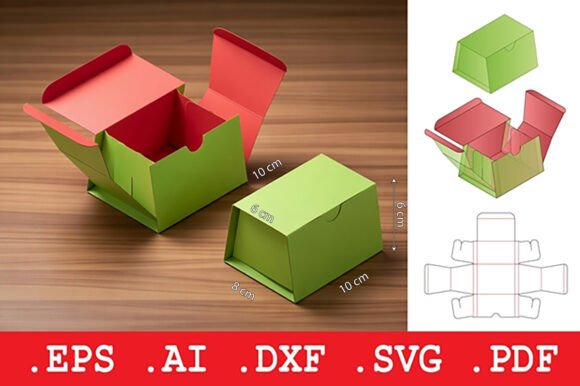
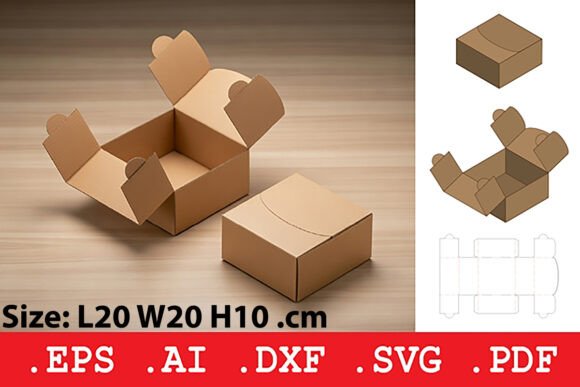
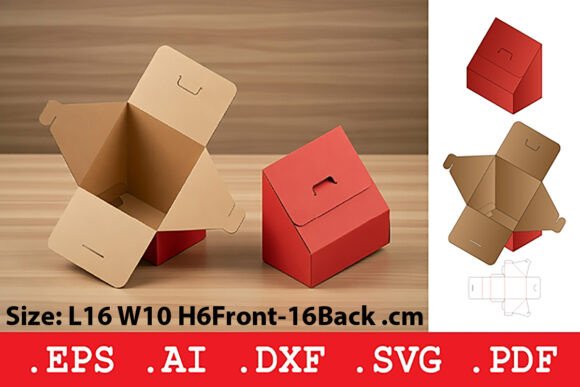
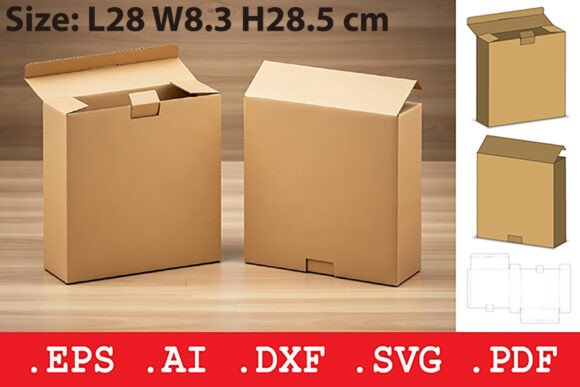
In the world of product presentation and retail logistics, a packaging template is often viewed as a simple container. The Square Tuck Front Flap Box, however, represents a strategic choice. This practical design, featuring a full-width tuck-in lid with a small front flap tab for secure closure, is engineered for more than just holding items. Its straight clean edges facilitate simple assembly, while its optimization for 200-350 GSM cardstock or paperboard ensures a sturdy yet lightweight construction. This box is not merely a vessel; it’s a foundational tool for brand expression, operational efficiency, and customer experience.
Unpacking the Strategic Utility
Choosing the Square Tuck Front Flap Box is a decision that intersects design, function, and perception. Its square form provides a neat, modern aesthetic that lends itself to premium positioning. The reliable closure mechanism—the front flap tab—is a subtle yet critical feature. It ensures the product remains secure while offering the customer a tactile, easy-opening experience, a small but meaningful interaction that elevates the unboxing process from mundane to deliberate. This balance between robust protection and user-friendly access is a core strategic advantage.
The template’s compatibility with a range of materials, from substantial paperboard to elegant cardstock, allows for intentional alignment with brand identity. A luxury cosmetics brand might opt for a heavier, textured stock to convey quality and durability, while a boutique tea company might choose a lighter, sustainably sourced paper to communicate organic values. The decision on material weight becomes a direct communication channel with the end-user.
Intentional Application Across Use Cases
The versatility of the Square Tuck Front Flap Box makes it applicable across diverse sectors, but its use should be guided by clear goals rather than convenience alone.
Branding and Customer Experience
For products like jewelry, artisan chocolates, or high-end candles, the box is the first physical touchpoint of the brand. Its clean lines and sturdy form project reliability and care. The assembly simplicity means that even small-scale producers can achieve a professional, consistent finish, reinforcing brand credibility. Every box assembled is a promise of quality upheld.
Operational Efficiency and Scalability
The flat-pack convenience of the Square Tuck Front Flap Box is a logistical asset. For small business owners and entrepreneurs, storage and shipping efficiency are paramount. These boxes can be stored in bulk without occupying excessive space and assembled quickly as needed, supporting just-in-time operations and reducing overhead. The included file formats—.DXF for CNC, .SVG for craft cutters, .EPS for industrial printing, and the .AI source for full customization—provide a scalable pathway from prototype to mass production.
This scalability is crucial for planning growth. A hobbyist starting with manual cutting from the .PDF can later transition to using the .DXF files with a laser cutter as demand increases, ensuring the packaging solution evolves alongside the business without requiring a complete redesign.
Creative Expression and Product Positioning
The box serves as a canvas. Its square shape offers a balanced surface for branding, illustrations, or informational text. Designers can leverage the .AI or .EPS files to integrate intricate patterns, minimalist logos, or seasonal themes, making the packaging an extension of the product’s story. For retail products needing a neat look, this template provides a structured framework upon which creativity can be built without compromising structural integrity.
Approaching Implementation with Thought
Before committing to the Square Tuck Front Flap Box, several considerations warrant reflection to ensure its use is strategic and effective.
First, align the box’s physical properties with the product’s needs. While ideal for lightweight items like tea packs or small pastries, evaluate if the 200-350 GSM specification offers sufficient protection for heavier or more fragile items. A test assembly with your chosen material is a prudent planning step.
Second, consider the customer’s journey. How will the box be opened? Where will it be stored after purchase? The front flap tab design promotes easy access, but for products meant for repeated use, consider how the closure will withstand multiple openings. The long-term durability of the experience matters as much as the initial impression.
Third, integrate the packaging into your broader communication strategy. The box is a silent ambassador. Does its aesthetic communicate your brand’s values? Does the unboxing process you’ve designed—perhaps facilitated by that easy-open flap—create a memorable moment that supports customer loyalty and word-of-mouth marketing?
The Risks of Unconsidered Adoption
Employing the Square Tuck Front Flap Box without clear context or goals can undermine its potential benefits. Using it simply because it is a "standard" template may lead to a generic presentation that fails to distinguish your product in a crowded market. Over-customization without regard for the template’s structural optimizations, perhaps by altering critical fold lines in the .AI file, could result in assembly difficulties or a weakened final product.
Another risk lies in material misalignment. Selecting a cardstock that is too light for a heavier product can lead to damage during shipping, negatively impacting customer experience and operational costs through returns and replacements. Conversely, using an excessively thick board for a lightweight item may be perceived as wasteful or unnecessarily costly, affecting both margins and brand perception.
Practical Guidance for Decision-Making
To use the Square Tuck Front Flap Box intentionally, start by defining the primary role it will play: Is it a protective shell, a branding hero, or a logistical solution? Your answer will guide subsequent choices.
- For Protection & Presentation: Prioritize material strength and finish. Run durability tests. Use the .SVG or .EPS files to ensure print graphics are sharp and aligned with the box’s folds and flaps.
- For Branding & Experience: Focus on the unboxing sequence. Design the interior and exterior graphics cohesively. Consider how the front flap tab’s opening motion can be part of the brand story—perhaps with a revealing message underneath.
- For Operations & Scalability: Leverage the digital files for workflow integration. If using laser cutters, the .DXF file is essential. Plan your assembly process to be efficient, perhaps batch-processing certain steps, to maintain consistency as order volumes fluctuate.
Finally, view the Square Tuck Front Flap Box not as an isolated component but as an integral part of your product’s ecosystem. Its success is measured not only by how well it holds an item, but by how it supports your broader goals for customer satisfaction, brand growth, and operational resilience. From the first sketch in Adobe Illustrator to the final product in a customer’s hand, each decision around this template is an opportunity to build a more thoughtful, effective, and distinctive outcome.