Mastering Packaging Essentials with the Square Tuck Top Box
In the worlds of retail, gifting, and small-scale production, first impressions are often sealed before a product is even used. The vessel for this impression is the package—a silent ambassador for the item inside. Among the most reliable and widely adopted designs for this crucial role is the Square Tuck Top Box. This packaging template represents a fundamental solution, balancing aesthetic professionalism with practical assembly. Its clean lines and straightforward construction make it a cornerstone for businesses and creators who value both form and function.
Anatomy of a Classic Design
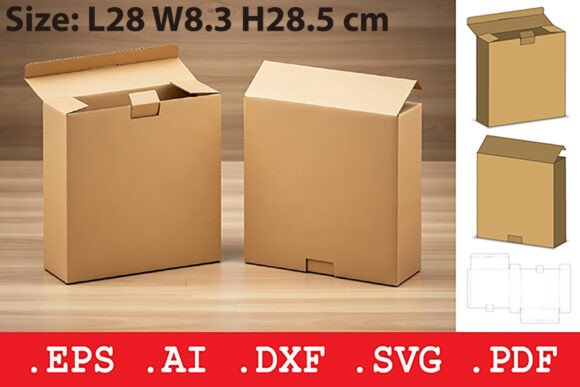
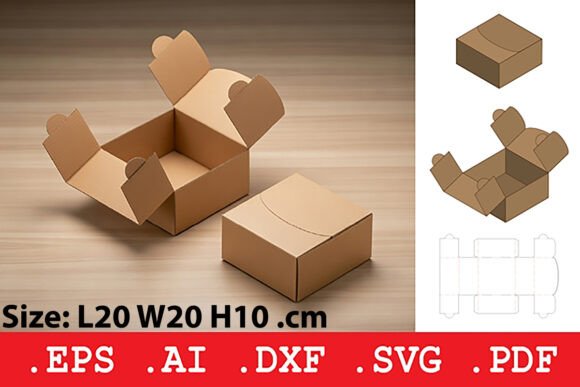
Let’s deconstruct this seemingly simple box to understand its enduring appeal. As the name explicitly states, it is a square box with a tuck-top closure. The base is a perfect square, offering geometric stability and a pleasing symmetry that feels both modern and timeless. The lid is not a separate piece but an extension of the box walls, featuring flaps that neatly fold over and tuck into the box's interior. This self-contained closure mechanism eliminates the need for external seals, adhesive, or complex locking systems.
Critical to its reliability are the supportive side flaps integrated into the design. These are not merely decorative; they provide internal reinforcement at the folds, ensuring the box maintains its crisp shape during assembly and throughout its use. This results in a neat, professional appearance that avoids the sagging or misalignment common in less engineered templates.
Material Harmony: Optimized for Cardstock and Paperboard
The template is specifically engineered for materials ranging from 200 to 350 GSM (grams per square meter). This spectrum covers a versatile range of cardstock and paperboard. Why is this optimization important?
- 200-250 GSM Cardstock: Offers a lightweight yet rigid feel, ideal for items like tea sachets, small jewelry, or artisanal chocolates where a delicate touch is appropriate.
- 300-350 GSM Paperboard: Provides increased sturdiness and durability, perfect for supporting heavier small items like candles, compact cosmetics, or boutique pastries without compromising structural integrity.
This material specification ensures the box is a simple, sturdy, lightweight solution. It avoids the unnecessary bulk and cost of heavier materials while guaranteeing the package can protect its contents and withstand handling.
The Ubiquitous Applications: Where This Box Shines
The square tuck top box is not niche; its simplicity makes it exceptionally versatile. Its primary advantage is providing a uniform, high-quality presentation across diverse product categories.
- Cosmetics & Skincare: Small jars, lip balms, or sample-sized products benefit from a box that conveys cleanliness and precision.
- Confectionery: Chocolates, truffles, or small pastries require packaging that feels refined and protects the delicate contents.
- Jewelry & Small Accessories: Rings, earrings, or pendants gain perceived value when presented in a crisp, structured box.
- Candles & Home Fragrance: Smaller candle tins or wax melts pair perfectly with a box that offers both protection and aesthetic appeal.
- Boutique Retail & Gift Items: Any small, curated item—from specialty teas to artisan crafts—finds its presentation elevated by this classic format.
The common thread across all these examples is a prioritization of crisp lines and easy assembly. For small business owners or makers operating without large-scale automated packaging lines, a design that assembles quickly and reliably by hand is a significant operational advantage.
Behind the Template: The Digital File Ecosystem
A modern packaging template is more than just a idea; it is a digital toolkit. The square tuck top box typically comes as a suite of files, each serving a distinct production or design pathway. Understanding these formats clarifies how the design bridges the gap from digital concept to physical product.
From Design to Physical Form: Key File Formats
- .DXF (Drawing Exchange Format): This file is compatible with CNC and laser cutting hardware. It allows for precise, automated cutting of materials in larger-scale or prototype production settings.
- .SVG (Scalable Vector Graphic): As a vector format, it is infinitely scalable without loss of quality. It is excellent for digital design integration and use with craft cutters like those used by hobbyists or small creators.
- .EPS (Encapsulated PostScript): A standard vector format in the printing industry, crucial for sending designs to professional printers for offset or large-run digital printing.
- .PDF (Portable Document Format): The universal print-ready document. It’s perfect for manual cutting guidance, direct printing from a desktop, or simply viewing the template layout.
- .AI (Adobe Illustrator Source File): This is the original, editable source. It grants full customization—allowing designers to alter dimensions, add branding graphics, or modify structural elements to create a unique derivative.
This comprehensive file suite empowers users at every level—from a hobbyist using a home printer and scissors to a professional manufacturer using industrial laser cutters.
Clarifying Common Assumptions and Misunderstandings
Even with a straightforward design, certain misconceptions can arise. Addressing these helps users make informed decisions.
Assumption 1: “It’s only for cheap or temporary packaging.” This is false. The choice of material (e.g., a luxurious 350 GSM textured paperboard) and high-quality printing can transform this template into premium packaging. Its simplicity is a canvas for brand expression, not a limitation.
Assumption 2: “Assembly is complex and requires special skills.” Contrary to this, the design prioritizes easy assembly. The supportive flaps guide correct folding, and the tuck closure is intuitive. With minimal practice, consistent, professional results are achievable.
Assumption 3: “It’s a one-size-fits-all solution without customization.” The provided .AI source file explicitly counters this. The template is a starting point. Dimensions, graphic layouts, and even minor structural tweaks can be made to suit specific product needs, moving far beyond a generic box.
The Broader Context: Why This Design Matters Today
In modern commerce and creativity, the square tuck top box fits into several key narratives.
Sustainability and Mindful Consumption
Optimized for efficient material use (via precise cutting files) and typically made from recyclable paper-based materials, this design aligns with growing consumer and business preferences for sustainable packaging. Its lightweight nature also reduces shipping weight and associated carbon footprint.
The Rise of the Maker Economy
For small businesses, Etsy sellers, and artisan creators, this box is a practical tool. The accessible file formats (.PDF and .SVG) allow for in-house production without massive capital investment. It enables a small-scale operation to present its products with the same polished appearance as a large brand.
Brand Identity in a Compact Space
The clean, square surfaces of the box are ideal canvases for branding. A logo, typography, and color scheme can be applied beautifully, turning the package into a cohesive brand touchpoint. In a crowded market, this clear, uncluttered presentation can communicate quality and attention to detail.
Conclusion: A Foundation for Effective Presentation
The square tuck top box is more than just a container. It is a fundamental packaging principle embodied in a versatile, accessible template. Its significance lies in its ability to serve a vast range of products while ensuring reliability, ease of use, and a professional finish. From the hands of a chocolatier to the workshop of a jeweler, from a large-scale cosmetic brand to a home-based candle maker, this design provides a common language of quality presentation. By understanding its construction, ideal materials, application spectrum, and the digital toolkit that brings it to life, creators and businesses can leverage this classic design not just as a box, but as a strategic component of their product’s story and success.