Rectangular Retail Boxes: The Strategic Power of the Circular Window
In retail packaging, visual appeal and structural integrity are often competing priorities. A box must be sturdy enough to protect its contents, yet inviting enough to sell them. This tension is elegantly resolved by a specific design: the rectangular retail box with a circular window. This packaging template, characterized by its clean rectangular form and a prominent circular viewing portal, has become a quiet powerhouse across numerous industries. Its design is not merely aesthetic; it is a functional solution engineered to meet practical demands of manufacturing, display, and consumer psychology.
Decoding the Design: Form Follows Function
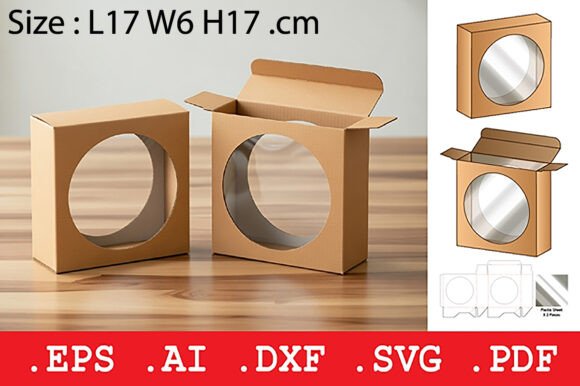
The anatomy of this box is straightforward yet clever. The base is a classic rectangular structure, offering the inherent advantages of efficient storage, stackability, and a familiar, stable form that feels substantial in hand. Integrated into one or more faces is a large circular window. The circle is a deliberate choice—it lacks the corners of a square or rectangle, which can be points of structural weakness or visual distraction. A circle provides a flawless, focused frame for the product inside.
The construction is optimized for paper stocks ranging from 180 to 350 GSM (grams per square meter). This range is critical. It provides the necessary flexibility for crisp folding and assembly, while ensuring the finished box has adequate rigidity to maintain its shape and protect the contents. The closure typically employs an easy-to-assemble tuck-top lid, a secure system that doesn't require adhesives or complex mechanics, facilitating both manual and automated packaging lines.
Beyond the Template: The Included File Ecosystem
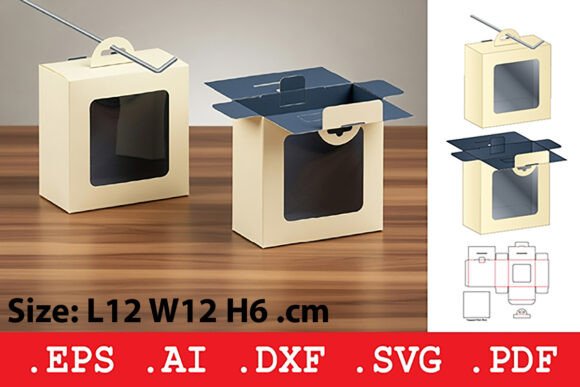
A modern packaging design is not just a concept; it is a digital toolkit. A professional template for a rectangular box with a circular window is invariably accompanied by a suite of file formats, each serving a distinct purpose in the production workflow. The .DXF file is compatible with CNC and laser cutting hardware, allowing for precise, automated fabrication. The .SVG and .EPS files are scalable vectors, essential for digital designers and craft cutters, ensuring the design can be resized without loss of quality. The .PDF offers a print-ready document for smaller-scale or manual operations. Perhaps most importantly, the original .AI (Adobe Illustrator) source file provides full customization. This allows brands to adapt the template—adjusting window size, adding graphics, or modifying dimensions—while maintaining the underlying structural integrity of the design.
Primary Applications: Where Visibility Drives Value
The utility of this design shines in product categories where seeing the item is a primary component of the purchasing decision.
Cosmetics and Skincare: For a luxury cream, a vibrant lipstick, or a finely milled powder, the packaging must convey quality. The rectangular box suggests sophistication, while the circular window offers a direct, unadulterated view of the product's texture, color, and finish, allowing the item itself to become the key visual asset.
Artisanal and Craft Goods: Handmade soaps, carved chocolates, or small ceramics often possess unique details—a marbled pattern, an embedded flower, a delicate glaze. A rectangular retail box with a circular window protects these fragile items while showcasing their artistry perfectly. The circle acts like a spotlight on the craftsperson's work.
Small Gift Items and Confectionery: For premium teas, gourmet cookies, or boutique candies, the window creates anticipation and confirms quality. It allows the consumer to verify the product's appearance and fullness, an important trust factor for food items.
Technical Components and Samples: Beyond retail, this design is used for industrial samples, electronic components, or craft supplies like high-end beads or threads. The window provides quick visual identification without needing to open the container, streamlining inventory management and selection.
The Unseen Advantages: Logistics and User Experience
The benefits extend far beyond the shelf. The rectangular shape ensures efficient palletization and shipping, minimizing wasted space in logistics. For the end-user, the tuck-top lid offers a re-sealable, non-destructive opening mechanism. A product can be inspected and then secured again, which is particularly valuable for items not consumed all at once. Furthermore, the substantial paper weight means the box can often be repurposed by the consumer for storage, adding a layer of perceived value and sustainability.
Material Considerations and Customization Paths
Selecting the correct paper weight within the 180-350 GSM range is a pivotal decision. A 180-220 GSM paper offers excellent flexibility and a lighter feel, suitable for smaller, less fragile items like soap bars or sample sachets. Moving toward 250-350 GSM provides a noticeably sturdier, more premium construction, necessary for heavier cosmetics like perfume bottles or fragile ceramics. The finish of the paper—matte, glossy, textured—can also be chosen to align with brand identity.
Customization leverages the core template. The circular window's diameter can be enlarged for maximum impact or made smaller for a more subtle, partial reveal. Graphics and text can be arranged around the window, using the circle as a central design anchor. The box's dimensions can be modified, but attention must be paid to maintaining proportional relationships to ensure the structural folds and the window's placement remain functional.
Implementing the Design: From File to Physical Form
The workflow for bringing such a box to life typically follows a clear path. A designer starts with the .AI source file to incorporate brand-specific logos, colors, and text. Once the design is finalized, the appropriate derivative files (.DXF for laser cutting, .PDF for local print shops) are sent to the production facility. For small batches, individuals or hobbyists might use the .SVG file with a personal craft cutter. The physical assembly, thanks to the tuck-top design, is often simple enough for hand assembly, enabling agile, low-volume production.
Comparative Context: Why This Design Persists
Compared to a fully enclosed rectangular box, the windowed version obviously trades some opacity for visibility. Against a purely cylindrical container with a window, the rectangular form offers superior stacking and graphic design space on its flat faces. The circular window, versus a die-cut shape of a product silhouette, provides a generic but universally applicable frame that doesn't require costly custom die-cutting for each unique product shape. Its enduring popularity is a testament to its balanced, versatile solution to a common set of packaging challenges.
In essence, the rectangular retail box with a circular window is a bridge between the hidden and the seen, between protection and presentation. It satisfies the logistical needs of the manufacturer and the distributor, the branding needs of the marketer, and the practical, psychological needs of the consumer. It turns a container into a showcase, making the product the undeniable focal point. For professionals sourcing packaging, creators building a brand, or hobbyists presenting their work, understanding this template's characteristics and potentials provides a reliable, effective tool for making products not just safe, but compelling.