The Slant Side Tuck Box: A Modern Packaging Template
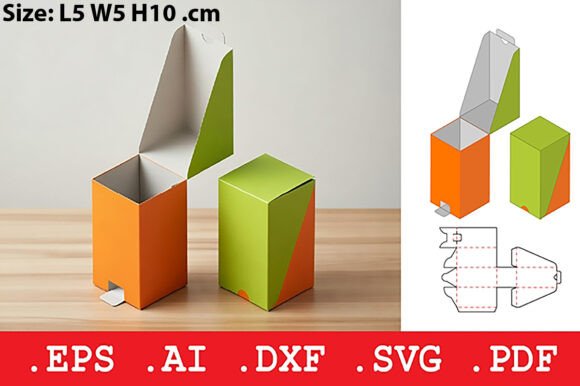
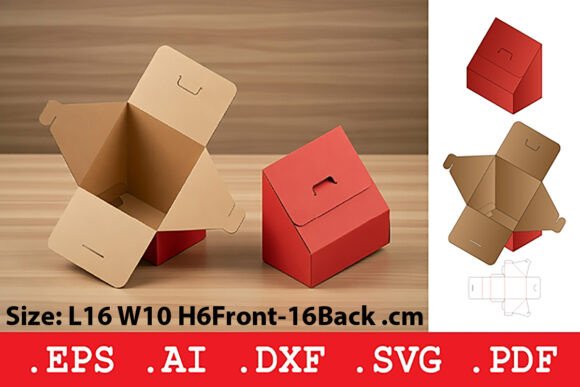
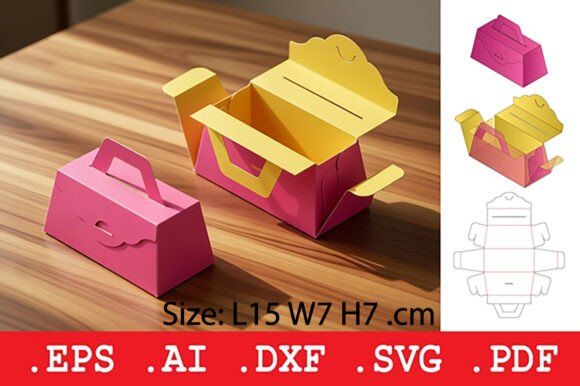
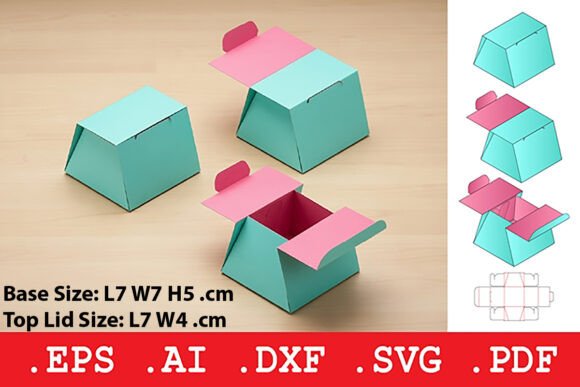
In a world of rectangular cardboard, a unique shape can be the first thing that catches a customer’s eye. The Slant Side Tuck Box is a distinctive packaging template designed to do exactly that. It creates a trapezoidal box with gently sloping sides and a simple tuck-in lid flap. This combination results in a straightforward closure mechanism and a contemporary angled silhouette that stands apart from conventional square containers.
What Makes This Template Distinctive?
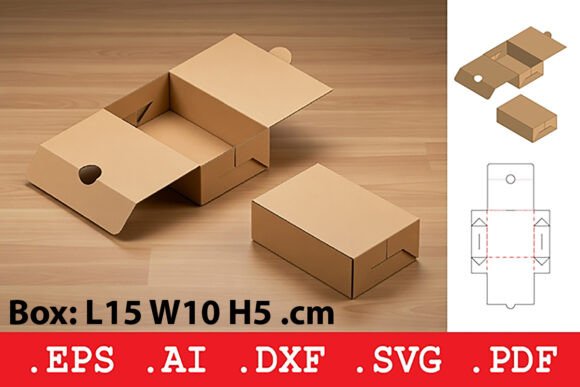
At its core, the Slant Side Tuck Box is a digital blueprint—a set of precise vector files—that guides the creation of a physical object. Optimized for materials like 200-350 gsm cardstock or paperboard, it folds into a lightweight yet stable form. The design prioritizes both aesthetics and function: the sloping sides offer visual dynamism, while the tuck flap ensures the box is secure without needing glue or complex assembly. This makes it exceptionally practical for a range of small items, from delicate jewelry pieces and cosmetic samples to candies, party favors, and novelty gifts.
The included file formats (.DXF, .SVG, .EPS, .PDF, .AI) speak to its versatility. Whether you’re using industrial CNC machinery, a hobbyist’s craft cutter, or simply printing and cutting by hand, the template adapts to your available tools. This flexibility is a key part of its value, serving different users with different resources.
Why This Shape Resonates with Different Audiences
The appeal of the Slant Side Tuck Box isn’ universal; it hinges on individual goals, projects, and priorities. A beginner might value its simplicity, while a professional brand manager might leverage its unique silhouette for market differentiation.
For Creators, Hobbyists, and Beginners
If you’re new to packaging design or DIY projects, ease of use and a forgiving learning curve are paramount. The Slant Side Tuck Box template, particularly the print-ready PDF, removes the intimidation of starting from scratch. You can focus on the hands-on craft of folding and assembling, learning basic structural principles without worrying about intricate design software. The straightforward tuck closure is a practical feature—no glue mess, no tricky locks. For a hobbyist making handmade earrings or a parent crafting unique birthday party favors, the priority is often speed and reliability: a template that works consistently every time, yielding a presentable result that feels more professional than a simple bag or pouch.
For Entrepreneurs and Small Business Owners
Here, the considerations shift toward commercial value and brand presentation. A small business selling artisanal chocolates or skincare samples isn’t just packaging a product; it’s crafting an experience. The contemporary angled silhouette of the Slant Side Tuck Box provides a cost-effective way to elevate perceived value. It looks deliberately designed, which can enhance customer perception without the expense of custom mold tooling. The availability of source files (like the .AI file) is crucial for this audience. It allows for full customization—integrating brand logos, color schemes, and unique graphics—to create a cohesive and memorable unboxing moment that supports retail competitiveness.
For Design Professionals and Marketing Teams
Professionals evaluating this template likely weigh flexibility and integration into existing workflows. The .EPS and .DXF formats are standard in industrial printing and fabrication, making it a viable component for larger production runs. A marketing professional might see the slanted shape as a tactical tool for a limited-edition product launch, using the distinctive geometry to generate social media shareability (“Look at this cool box!”). Their use is strategic: the template becomes a starting point for adaptation, not just a final solution. They might combine it with specialized materials or finishing techniques to achieve a premium effect.
For Educators and Workshop Leaders
In educational settings, whether in a classroom or a community workshop, the learning value of a resource is central. The Slant Side Tuck Box can serve as a excellent practical example in lessons about geometry, sustainable design, or basic manufacturing principles. The multiple file formats allow students to explore the journey from digital vector design to physical construct, understanding how software files translate to real-world objects. Its assembly demonstrates principles of structural stability and efficient material use, making it a useful, hands-on teaching aid.
Identifying If It Matches Your Project Needs
Deciding whether the Slant Side Tuck Box is right for you involves a honest assessment of your project’s scope and your own capabilities. Ask yourself a few practical questions.
First, consider the physical requirements. Is your item small and lightweight, like a lip balm or a set of beads? The box’s optimized size and stability are ideal for such things. For heavier, larger items, a different, more robust structure might be necessary.
Next, evaluate your tools and skills. Do you have access to a laser cutter or CNC machine? The .DXF file will be directly compatible. Are you comfortable with Adobe Illustrator for customization? The .AI source file unlocks that potential. If you plan to hand-cut, the PDF is your go-to. Matching the file format to your available technology is a key step.
Finally, think about your primary goal. Is it purely aesthetic—to create a standout gift wrapper for a single occasion? The unique shape delivers that instantly. Is it functional—to find a reliable, quick-to-assemble package for a monthly product subscription? The consistent fold pattern and secure closure support that. Is it educational—to demonstrate packaging design in a tangible way? The template’s clear geometry serves that purpose well.
Practical Applications Across Interests
To visualize its utility, imagine these scenarios. A freelancer selling illustration prints at a local market uses the Slant Side Tuck Box to package each print, creating a uniform, branded look that elevates their table display. A blogger running a crafting tutorial uses the template as the central project, teaching their audience how to create stylish favor boxes for a wedding. A consumer looking for a special way to wrap a small gift finds the template online, prints it on decorative paper, and assembles it to create a personalized presentation that feels far more thoughtful than store-bought wrapping.
In each case, the same template serves a different core need: commercial uniformity, educational content, and personal creativity. Its long-term usefulness isn’t defined by a single use, but by its adaptability to these varied contexts.
Balancing Priorities in Your Decision
Your final choice may come down to a balance of priorities. If cost and speed are your main drivers, the template’s efficiency in material use (no wasted cardboard) and quick assembly are significant benefits. If creative control and uniqueness top your list, the customizable source files and non-traditional shape are the compelling features. For those seeking educational or workshop value, the clarity of the design and the multiple technical file formats provide a rich resource for demonstration.
The Slant Side Tuck Box template, therefore, is more than just a set of lines on a screen. It’s a conduit between idea and object, serving as a practical tool for the hobbyist’s first attempt, a strategic asset for the growing business, and a reliable component for the professional’s toolkit. By understanding how its features align with different goals, you can best assess whether its contemporary silhouette and straightforward design will fold neatly into your own plans.